
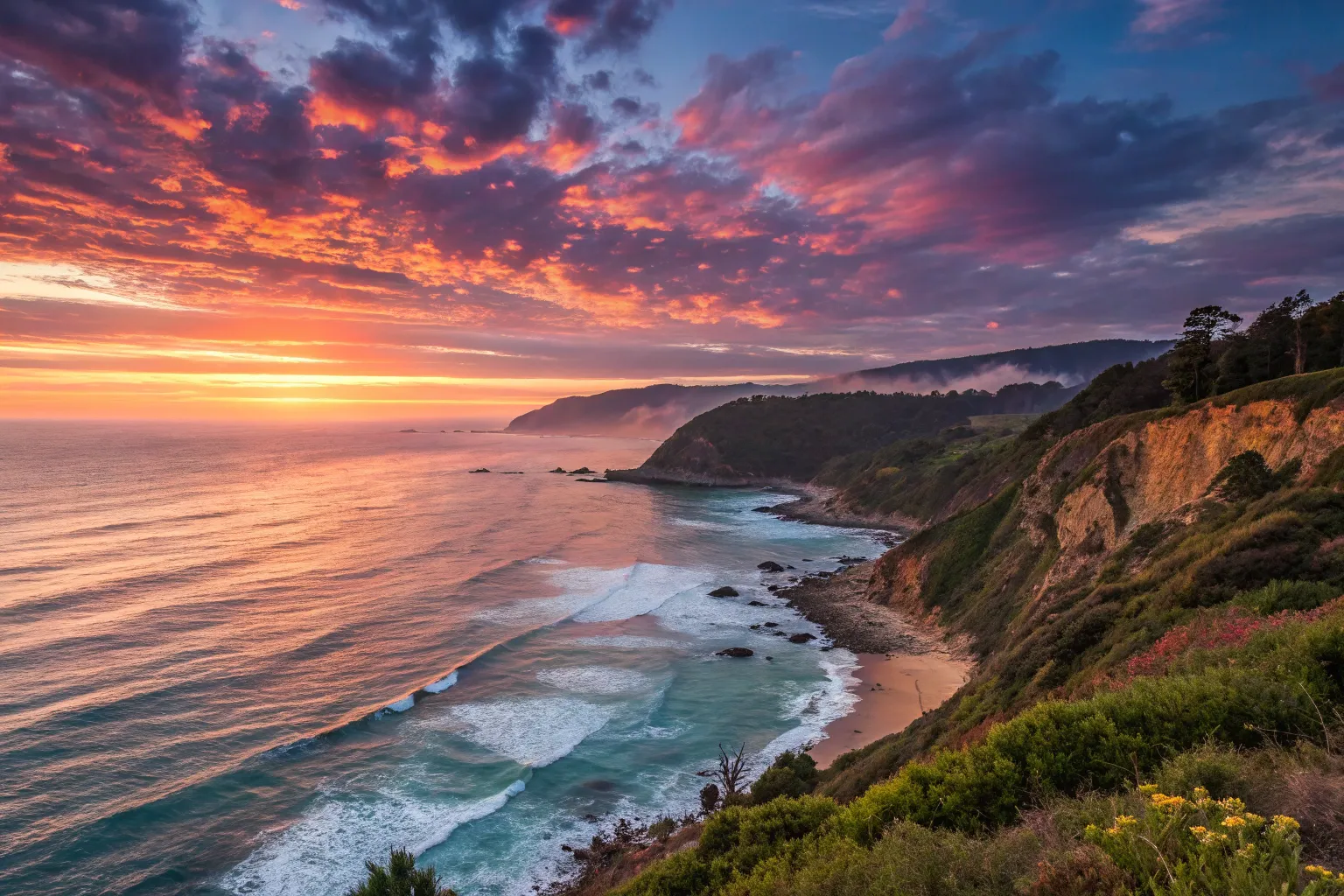
Some memories deserve more than a photograph. Turning them into paintings allows you to preserve not only what was seen but also what was felt.
Why Paint Memories?

Photographs capture light. Paintings, by contrast, capture emotion, atmosphere, and personal perspective. Whether you’re commemorating a coastal sunrise, a child’s laughter, or a quiet afternoon in the garden, translating that scene into paint helps you reconnect with the sensations that made the moment special.
As the brush meets the canvas, memory becomes tangible—a blend of image, texture, and color that preserves how a moment lived in you, not just before you.
Translating Vision Into Composition

The first challenge is choosing what to capture. Focus on one defining element of your memory—perhaps the curve of a shoreline, the reflections on a window, or the interplay of shadow and light during a summer evening.
You can start from:
- A photograph you took during the moment.
- A composite of several photos or sketches.
- A vivid mental image recalled through sensory associations (light, sound, scent).
To build a strong composition, sketch simple shapes before painting. Consider using the rule of thirds to create balance, or a triangular composition for dynamic movement. These classic compositional frameworks help guide the eye toward the emotional center of the piece.
| Compositional Technique | Emotional Effect | Typical Use Case |
|---|---|---|
| Rule of Thirds | Calm balance | Landscapes, still lifes |
| Central Focus | Intimacy, strength | Portraits, personal objects |
| Diagonal Flow | Energy, movement | Memories of travel or motion |
Choosing the Right Medium

Each painting medium expresses memory in a different way. Select one that fits the mood of your subject.
- Oil: Ideal for layered memories or nostalgic tones. Long drying time allows revisions and subtle glazing.
- Acrylic: Best for crisp, contemporary memories and fast layering. The quick-drying nature encourages intuition and energy.
- Watercolor: Perfect for fleeting, delicate impressions—childhood moments, reflections, or light-filled landscapes.
- Pastel: Works beautifully for expressive textures and soft edges, reminiscent of blurred memories.
In my own practice, I tend to choose oil when the memory feels lingering or complex. Its slow process mirrors reflection itself.
Lighting and Color Psychology

Color determines emotional resonance. Warm hues (reds, ochres, golds) evoke nostalgia and closeness; cool tones (blues, greens, greys) suggest distance or tranquility. A scientifically grounded approach is to consider how wavelengths interact visually: shorter wavelengths (blue) calm the viewer, while longer wavelengths (red) activate.
When reconstructing a memory, think less about accuracy and more about atmosphere. If your memory of a winter morning feels golden, allow that warmth to dominate even if the original light was pale. Painting, after all, represents how time felt—not how it looked.
Step-by-Step: From Memory to Canvas

- Gather your source: Print or sketch your memory reference. Simplify the scene by identifying large shapes and tonal contrasts.
- Block in values: Begin with an underpainting in neutral tones to define structure. Focus on light-to-dark transitions that shape depth.
- Establish color harmony: Limit yourself to a restricted palette—often three primaries and a neutral—which keeps the emotional tone cohesive.
- Layer intentionally: Build details progressively, moving from general forms to specific textures.
- Add emotional nuance: Use brushstroke direction or rhythm to express energy—a loose stroke can convey motion; a smooth glaze can quiet the piece.
Small imperfections or abstracted shapes often make a piece more personal. They carry the resonance of remembering rather than recording.
Creating Depth Through Texture
Texture enhances realism and emotional intensity. Painters often manipulate viscosity to create tactile contrast: thin glazes can suggest blurred distance, while thicker impasto builds presence in focal areas.
Scientific principles of light refraction apply here—the more textured the surface, the more diffusely it scatters light, adding vibrancy and dimensionality. Try layering translucent colors for optical mixing rather than mechanical blending; it mimics the natural way our eyes perceive color complexity.
Preserving and Displaying Your Work
Once your painting is finished and thoroughly dry, seal it with a clear varnish to protect pigments from oxidation. Hang it somewhere connected to the memory it represents: the family room, a reading nook, or near a window where light shifts throughout the day.
Displaying it transforms your space into a gallery of lived experience. Over time, these personal works become markers in your visual autobiography.
Inspiration in Everyday Moments
Not every painting needs to depict major life events. A forgotten corner of the garden at dusk or the rhythm of sunlight through an open door can carry as much meaning as a milestone. Keeping a small sketchbook or camera handy helps capture fleeting moments worth revisiting later with brush and pigment.
By turning memories into paintings, you train your perception—not just to see, but to notice. The result is a home filled with art that tells your story in color, texture, and gesture.


Have a question or want to share your own experience? I'd love to hear from you in the comments below!