
Over years of painting, I’ve discovered that what separates a flat, amateur-looking piece from a gallery-quality work often comes down to one fundamental skill: understanding how layers transform raw pigment into luminous, complex artwork. The difference isn’t in expensive materials or innate talent—it’s in method.
Layering isn’t simply applying multiple coats of paint. It’s a deliberate, strategic process that builds depth, visual interest, and durability into every piece you create. Whether you work in oils, acrylics, watercolors, or mixed media, mastering layering elevates your entire practice. Here’s what I’ve learned, and what you need to know to achieve professional results.
Why Surface Preparation Is Your Hidden Foundation
Before you ever touch brush to canvas, professionals know that the groundwork determines everything that follows. I cannot overstate this: approximately 80% of a successful finish depends on what happens before you apply color.
Start by cleaning your surface thoroughly. For canvas, a gentle wipe removes dust and any residue that could interfere with adhesion. For previously painted surfaces, light sanding smooths imperfections and gives new paint something to grip. Fill any holes or cracks with quality filler, then sand smooth once dry.
Next comes priming—a step many beginners skip, thinking it’s unnecessary. Primer does three critical things:
- Seals absorbency: Without it, canvas drinks up paint unevenly, creating dull patches and consuming more material than necessary.
- Creates tooth: This textured surface helps paint stick reliably to every layer.
- Provides an even working ground: You’ll notice that paint flows more easily and colors appear more vibrant over a proper primer.
Apply two coats for optimal results. Use your first coat thinned slightly—about the consistency of heavy cream—in one direction (say, horizontal strokes). Let it dry, then apply a second coat perpendicular to the first (vertical strokes), full strength. This cross-hatching ensures thorough coverage and a stable foundation for everything above.
| Task | Timing | Notes |
|---|---|---|
| Prep surface | Before anything | Clean, sand, fill as needed |
| First primer coat | Baseline | Thin application, one direction |
| Dry time | Few hours minimum | Varies by product and humidity |
| Second primer coat | After first dries | Perpendicular direction, full strength |
| Ready to paint | After second dries | Optional: sand lightly for smoothness |
Understanding Drying Times: The Overlooked Determinant
Before you begin layering, you must understand how your medium dries. This isn’t just about waiting—it’s about chemistry.
Acrylic paint dries through water evaporation. A thin layer typically dries to touch in 20-30 minutes; thicker applications take an hour or two. The advantage? You can layer quickly, making acrylics ideal if you prefer rapid progress.
Oil paint dries through oxidation—a chemical reaction between the paint’s binder and air. Most oil colors require 3-5 days to dry to touch, though earth pigments dry faster (often in a day) and whites or other pigments dry slower (up to 1.5 weeks). A full cure, where the paint becomes completely rigid throughout, can take months. This extended drying window feels frustrating initially, but it’s actually a gift: the paint remains workable, blendable, and forgiving for days, giving you control that acrylics don’t offer.
Watercolor and gouache dry quickly, like acrylics, making them excellent for rapid-fire layering.
The critical rule: Never apply a new layer of wet paint over incompletely dried paint beneath it, or you’ll experience color bleeding, layer lifting, and loss of definition. Patience is not optional—it’s structural.
Foundation Work: The Underpainting
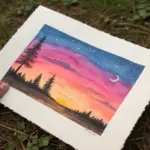
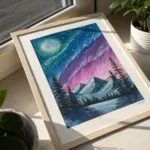
I always begin with an underpainting. This is your roadmap. It establishes value structure, color direction, and composition before you commit to details.
For oils, an underpainting should be thin and lean (more solvent, less oil). Traditionally, artists thinned oil paint with mineral spirits or turpentine—approximately 75% solvent to 25% oil. This dries quickly and provides minimal resistance for layers above. I often work in a neutral tone like burnt umber or raw sienna, establishing lights and darks before introducing color.
For acrylics, use your underpainting the same way: establish a value map. Acrylics dry so quickly that this step takes minutes rather than days.
A lesser-known advantage: you can use acrylic for an underpainting beneath oil paint. Once dry, acrylic acts as the leanest possible base for oils. This hybrid approach saves time and allows you to establish structure quickly, then refine with oils.
The Layering Sequence: Building Dimension
Once your underpainting is completely dry, you’re ready for the core work.
Starting With Glazing
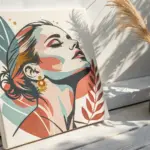
Glazing is perhaps the most transformative technique in layering. A glaze is a thin, transparent or semi-transparent layer applied over dry paint. I use this when I want luminosity—that inner-light quality that separates good paintings from great ones.
To glaze effectively:
- Use transparent pigments. Not all colors are naturally transparent; quinacridone reds, viridian greens, and ultramarine blues work beautifully; titanium white and cadmium yellows, less so.
- Mix your paint with a glazing medium. For acrylics, use a dedicated glazing liquid (not water alone—it dries too quickly and unevenly). For oils, add a glazing medium or linseed oil to make the paint flow smoothly.
- Apply thin, even layers with a soft brush. Work slowly, allowing the underlying color to influence the glaze without the brush disturbing the base layer.
- Dry completely between glazes.
Here’s why this matters: when you glaze transparent red over a warm yellow underpainting, your eye blends the two colors optically. The result appears richer and more luminous than if you’d mixed red and yellow on a palette first. This optical mixing retains color saturation in ways physical mixing cannot.
I often build 3-5 glazes on a single passage, each one deepening tone or shifting hue slightly. After the first glaze dries, I assess, then decide if another layer serves the painting.
Embracing Scumbling for Texture and Atmosphere
Where glazing is transparent and smooth, scumbling is opaque and broken. Both build dimension, but differently.
Scumbling involves dragging a mostly dry brush loaded with opaque or semi-opaque paint over a dry, darker base layer. Unlike a glaze, the scumble deliberately leaves gaps, revealing the layer below in a broken, textured way. This creates visual interest, suggests atmosphere, and can soften harsh transitions.
Try this: paint a dark blue-gray background. Let it dry. Load a flat brush with a tiny amount of light gray-white paint. Drag it horizontally across the canvas, barely touching the surface. The bristles skip over the bumps and texture, leaving a broken film that suggests distant clouds or mist. The dark underneath peeks through, creating complexity that a single flat gray never could.
Tips for effective scumbling:
- Use a broad, flat brush—it distributes paint inconsistently, which is the point.
- Load very little paint; if you have too much, you’ll cover the layer below entirely.
- Drag lightly with loose hand movements. Don’t press.
- Use a color that contrasts with the layer below for visibility.
- Scumble atmospheric areas (skies, backgrounds), not detailed focal points.
| Technique | Layer Type | Brush State | Best For |
|---|---|---|---|
| Glazing | Transparent | Soft, loaded | Luminosity, color shifts, depth |
| Scumbling | Opaque/semi-opaque | Dry, minimal paint | Texture, atmosphere, softening transitions |
| Dry brushing | Minimal paint | Very dry | Fine details, highlights, texture emphasis |
| Impasto | Thick opaque | Any | Physical texture, bold statements |
Dry Brushing for Controlled Details
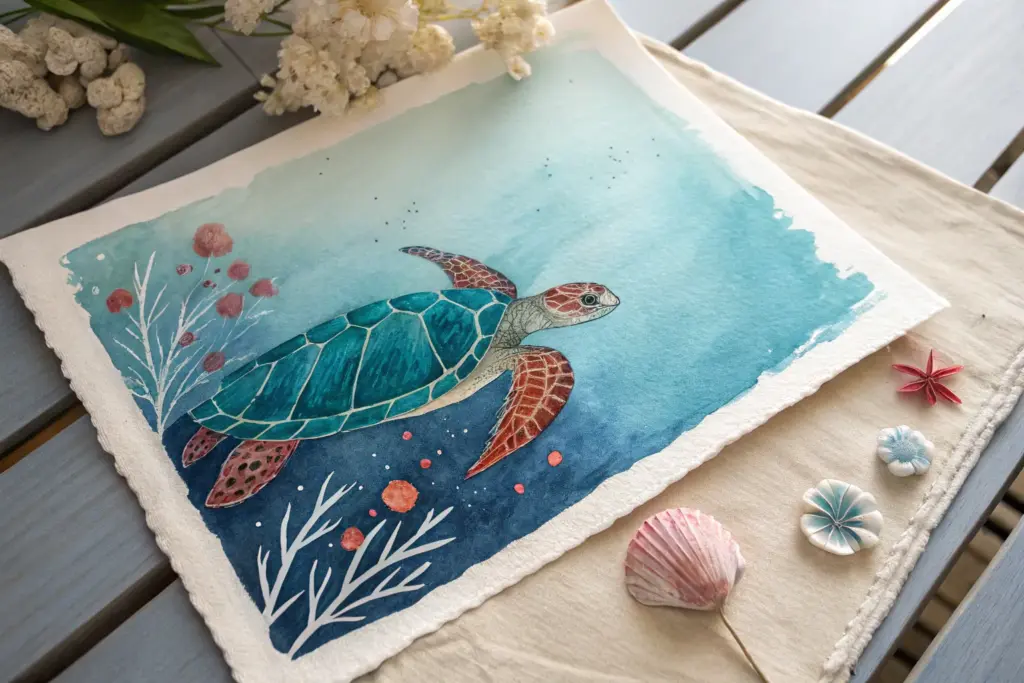
Dry brushing is the distant cousin of scumbling—even more minimal. Use a brush with barely enough paint to coat the bristles. Squeeze or wipe it nearly dry on a cloth, then skim it across your painting’s surface.
The technique works beautifully for highlights. I use it to catch light on a face, emphasize texture in fabric, or add fine foliage suggestions in landscapes. The paint catches only the raised areas of your canvas or underlying paint, creating a scratchy, controlled sparkle.
I rarely use expensive brushes for dry brushing—the technique destroys bristles. Cheaper synthetic brushes work perfectly and you won’t wince when they’re past their prime.
Building Bold Texture With Impasto
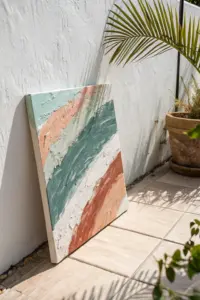
If glazing and scumbling whisper, impasto shouts. This technique applies paint thickly—thick enough that it stands off the surface, casting shadows within the paint itself.
Use a palette knife or stiff brush to apply paint in chunky, deliberate strokes. The paint becomes sculpture. You can layer impasto over glazes or scumbles, or apply it directly. The key is commitment: impasto demands confidence. Hesitant, fussy strokes look confused; bold, decisive ones look intentional.
Impasto slows drying significantly because of paint thickness, especially with oils. Plan ahead if you need to layer again soon.
The Fat-Over-Lean Principle: Essential for Oil Painters
If you work in oils, this principle is non-negotiable for durability.
“Fat” paint contains a high ratio of oil to pigment. “Lean” paint contains less. The principle states: your bottom layers should be leaner than your top layers. Why? Because oil with less binder dries faster and more rigidly. If you reverse this, you’re putting flexible (fat) paint under rigid (lean) paint, and as the flexible layer cures and shifts, the rigid layer cracks.
Here’s a practical three-layer approach:
- Layer 1 (underpainting): 75% solvent + 25% oil or linseed oil (very lean)
- Layer 2 (mid-tone work): 50% solvent + 50% oil or linseed oil
- Layer 3 (details/finishing): 25% solvent + 75% oil or linseed oil (fat)
This graduated approach ensures that each layer dries at an appropriate pace and remains flexible enough to accommodate the layer above without cracking.
Note for acrylics: This principle doesn’t apply. Acrylics form a plastic film as water evaporates; the oil-to-binder ratio doesn’t govern flexibility the way it does in oils.
Practical Layering Workflow
Here’s my actual process, adapted for both oils and acrylics:
Session 1: Prepare surface and apply underpainting. For oils, use lean mix. For acrylics, work quickly since drying happens fast. Step back. Let dry completely.
Session 2 (oils: 3-7 days later; acrylics: next session): Evaluate the underpainting. Are values correct? Is composition clear? Make adjustments if needed.
Session 3: Begin color work. Apply a mid-tone layer—not too opaque, not too transparent. I often thin my paint slightly (oils: add medium; acrylics: add minimal water or glazing medium). This first color layer shouldn’t be perfectly smooth; slight texture is fine.
Sessions 4+: Layer selectively. Decide which areas need glazing (transparent, subtle), which need scumbling (textured, atmospheric), which need details (dry brush, precision). Don’t layer everywhere—that creates mud and visual chaos. Layer only where it serves depth, luminosity, or necessary revision.
Finishing: Once I’m satisfied with depth and color, I might add highlights via dry brushing or impasto for emphasis, then stop. Overworking is the enemy of professional-looking paintings.
Common Mistakes—And How to Fix Them
Mistake: Thick paint in every layer.
Solution: Vary paint thickness. Thin layers early; save thickness for final accents. Thick paint throughout reads as sloppy.
Mistake: Layering while the base coat is still wet.
Solution: Resist the urge. Let it dry. If you’re impatient, switch to acrylics or use a medium that extends working time.
Mistake: Over-blending in the wet stage.
Solution: Make one or two gentle blending strokes, then stop. Every additional pass pushes paint to the edges, creating an ugly ring, or muddies colors entirely.
Mistake: Using opaque white in every layer.
Solution: Use white sparingly. When everything contains white, nothing recedes. Preserve white for final highlights.
Mistake: Glazing with opaque paint.
Solution: Verify that your pigment is actually transparent. If glazes look chalky rather than luminous, you’re using the wrong color.
Mistake: Painting details before establishing values and color.
Solution: Build structure first (underpainting), then mid-tones, then details. You can’t fix a poorly structured painting with details.
Working With Different Mediums
Oils: Enjoy the extended drying time. It allows blending and revision. Use glazing and scumbling frequently. Follow fat-over-lean. Plan for slow drying between sessions.
Acrylics: Embrace speed. Layer rapidly without waiting. Use a retarder medium if you want extended working time. Glazing requires glazing medium, not water. Once dry, acrylics can’t be reactivated—plan carefully.
Watercolor: Dries quickly like acrylic. Glazing is the primary layering method (transparent washes over dry layers). Lifting (removing paint with a damp brush) is unique to watercolor; exploit this for luminosity and corrections.
Gouache: Combines watercolor’s fluidity with opaque coverage. Layers quickly. Embrace both transparent and opaque approaches.
Final Thoughts: Patience and Intention
Professional paintings don’t happen through speed or carelessness. They result from understanding why each layer matters, when to apply it, and how long to wait between decisions.
I spend as much time waiting and observing as I do painting. This isn’t wasted time—it’s essential. Between sessions, I ask: Does this passage need more depth? Does the color sing, or is it dull? Does the texture support the subject? These questions guide the next layer.
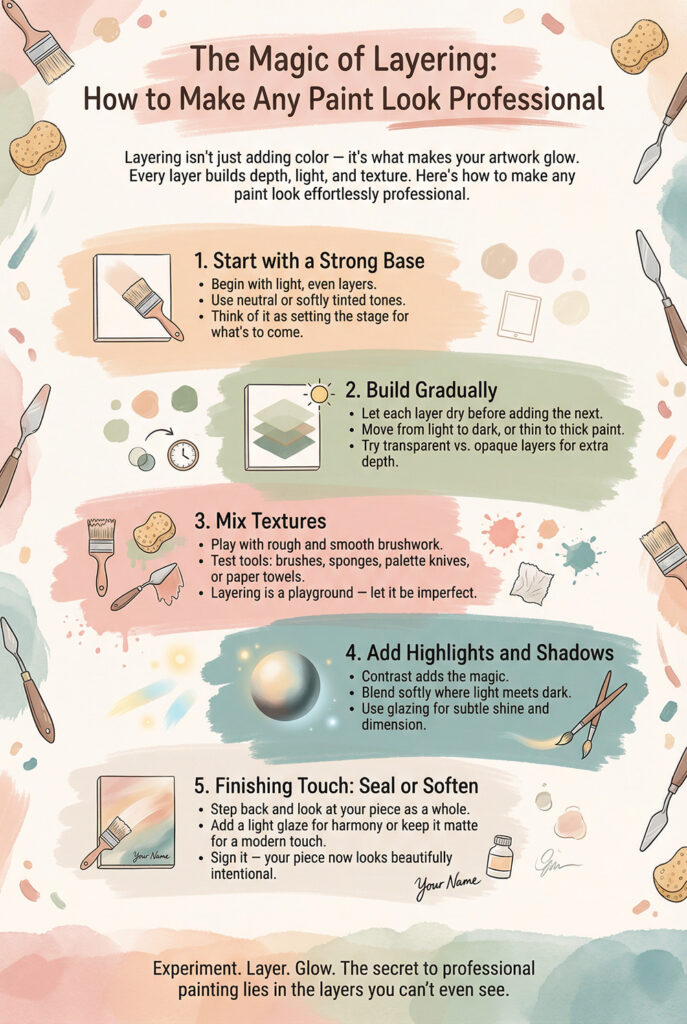
Layering is not a shortcut to sophistication. It’s a system. Master surface preparation, respect drying times, use appropriate techniques, and apply intention to each layer. Your paintings will acquire the luminosity, complexity, and durability that mark professional work.
The magic isn’t in the materials. It’s in understanding and respecting the process.
Have a question or want to share your own experience? I'd love to hear from you in the comments below!