
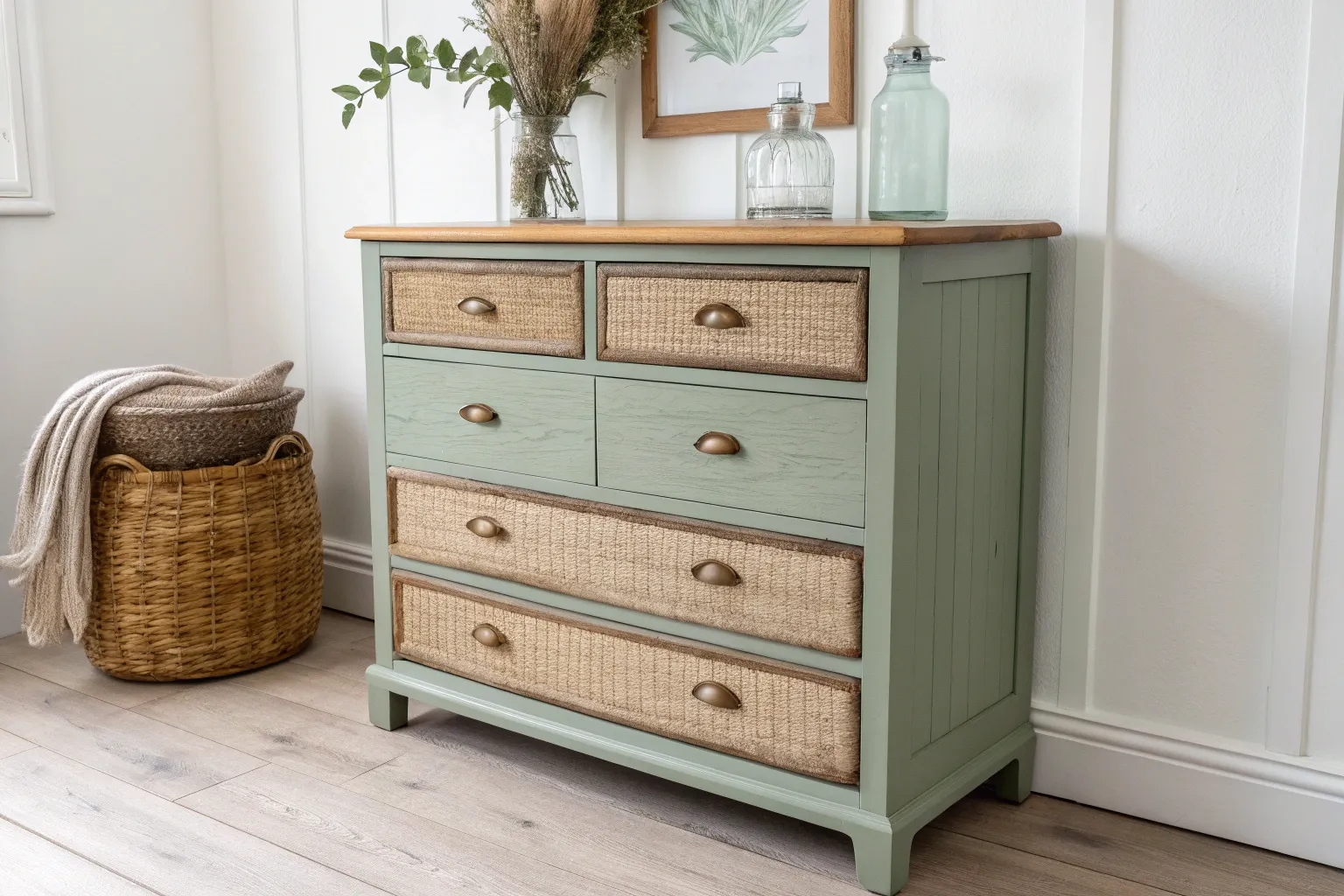
If your bedroom furniture feels dated or a little too dark, a fresh coat of paint can completely shift the mood without replacing a single piece. I pulled together my favorite painted bedroom furniture ideas that give you that satisfying before-and-after transformation we all love.
Classic Soft White Bedroom Set Refresh
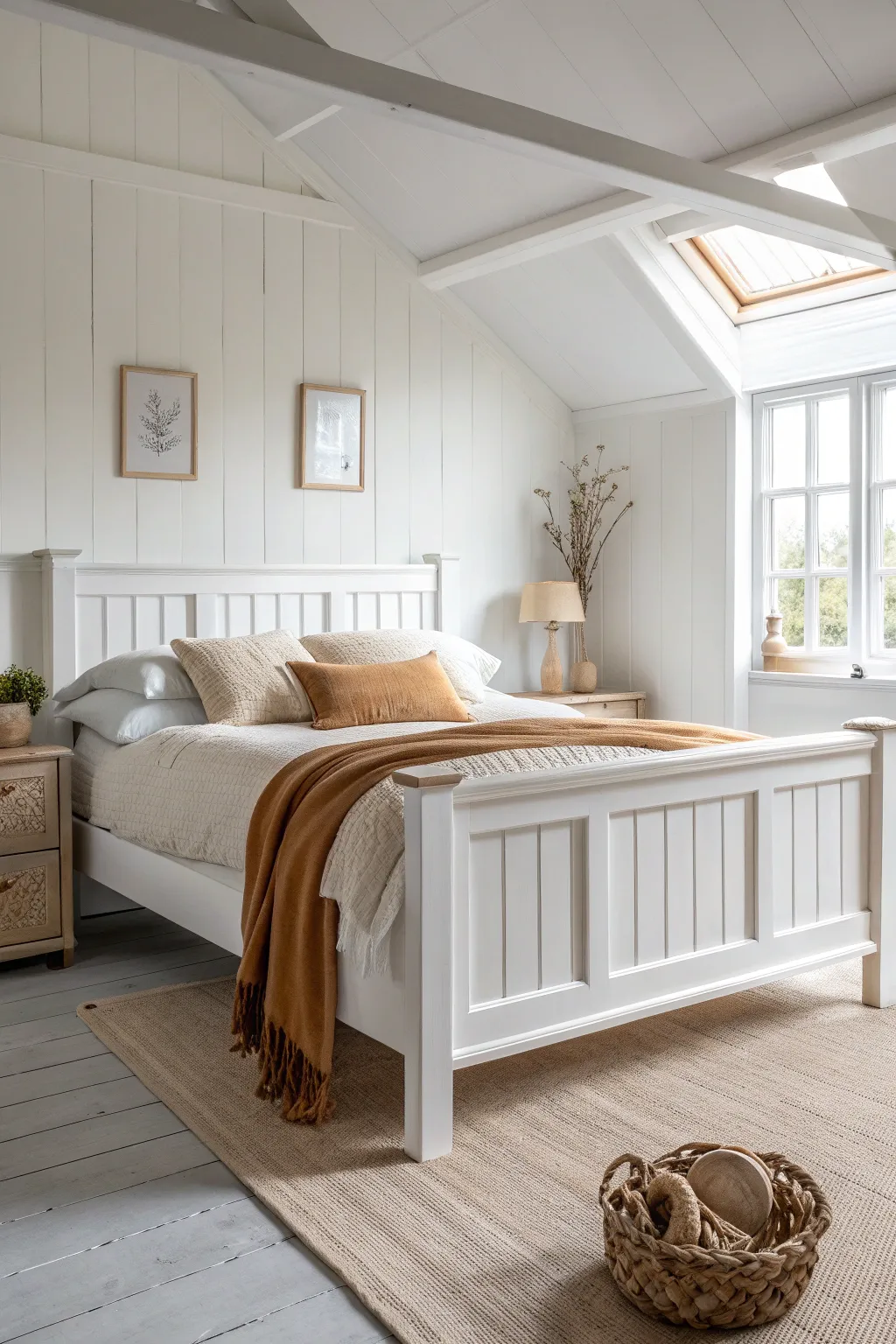
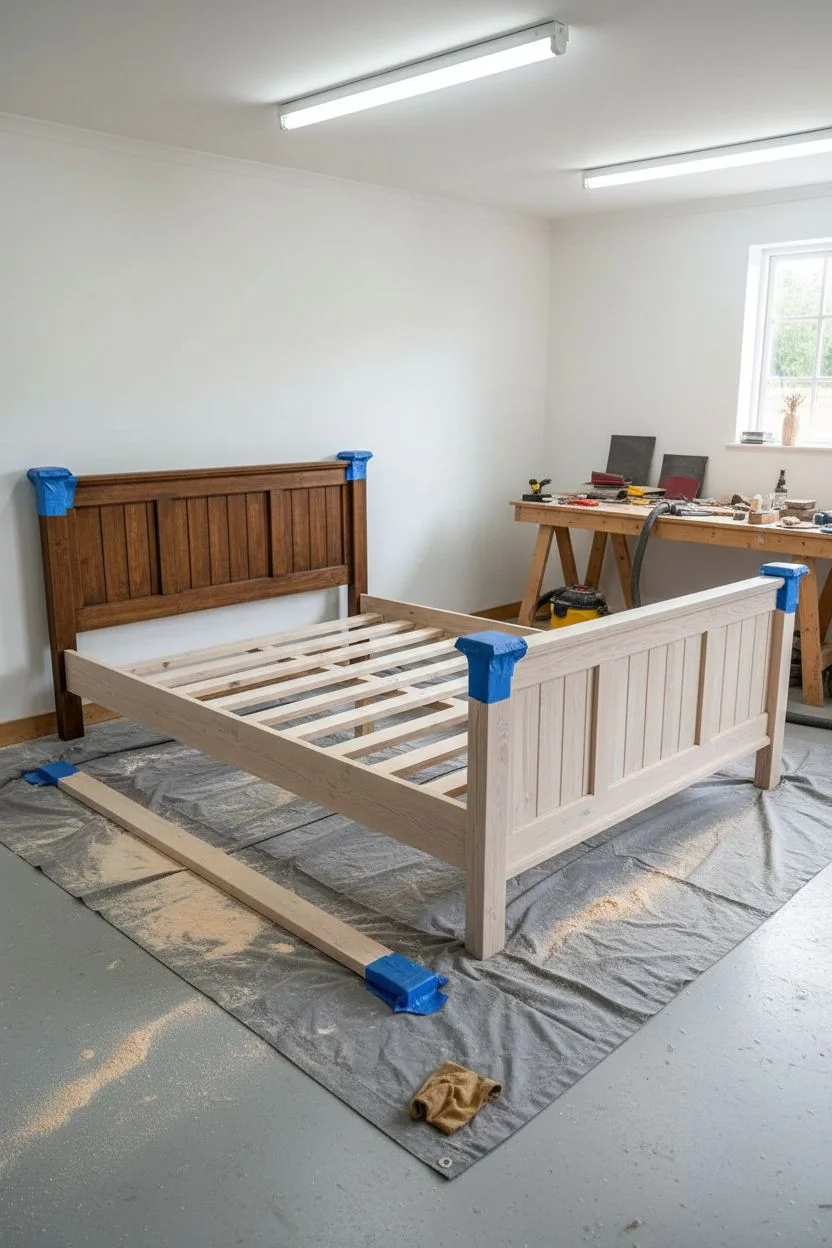
Transform an ordinary wooden bed frame into a serene, farmhouse-inspired centerpiece with a fresh coat of soft white paint. This project focuses on achieving that smooth, classic finish that brightens up a room without feeling stark or clinical.
Step-by-Step
Materials
- Wooden bed frame (headboard, footboard, and rails)
- High-quality wood primer (stain-blocking)
- Soft white chalk or mineral paint (e.g., warmer tones like ‘Cotton’ or ‘Dove’)
- Clear matte wax or polycrylic topcoat
- Medium grit sandpaper (120-150)
- Fine grit sandpaper (220)
- Tack cloths
- High-density foam roller (4-inch)
- Angled sash brush (2-inch)
- Painter’s tape
- Drop cloths
- Mild degreaser or TSP substitute
Step 1: Preparation
-
Set up your workspace:
Ideally, disassemble the bed frame and move it to a well-ventilated area like a garage or patio. Lay down drop cloths to protect your floor and ensure you have plenty of room to walk around each piece. -
Clean thoroughly:
Wipe down the entire frame with a mild degreaser or TSP substitute to remove dirt, oils, and old furniture polish. This step is critical because paint won’t adhere properly to greasy surfaces. -
Sand the surfaces:
Using 120-150 grit sandpaper, scuff sand the entire bed frame. You don’t need to strip it to bare wood; just remove the glossy sheen so the new paint has something to grip. -
Remove dust:
Vacuum up the sanding dust, then wipe every nook and cranny with a tack cloth. Any leftover dust will create tiny bumps in your finish, so be meticulous here. -
Tape off details:
If there are parts you want to keep natural wood (like the post caps in the reference image), carefully apply painter’s tape to protect them now.
Bleed-Through Blues?
If pink or yellow stains appear through the white paint, stop. Apply a coat of shellac-based primer (like BIN) over the stain to seal the tannins, then repaint.
Step 2: Painting
-
Apply primer:
Brush or roll on a coat of stain-blocking primer. This is essential if you are painting over dark wood to prevent tannins from bleeding through your white paint later. -
Check for drips:
While the primer is wet, inspect corners and crevices on the paneled sections for drips and smooth them out immediately with your brush. -
Light sanding:
Once the primer is fully dry, lightly sand with 220-grit paper to knock down any raised grain or brush strokes, then wipe with a tack cloth. -
First coat of paint:
Stir your soft white paint thoroughly. Use an angled sash brush to cut in around the recessed panels and detailed trim first. -
Roll the flat areas:
While the cut-in areas are still wet, use a high-density foam roller to paint the larger flat surfaces of the headboard and footboard. This technique helps achieve a sprayer-like finish without the equipment. -
Paint the rails and legs:
Continue painting the side rails and legs. I find it easiest to prop the rails up on blocks to paint the edges cleanly. -
Dry and repeat:
Allow the first coat to dry according to the manufacturer’s instructions. Apply a second coat using the same method: brush the details, then roll the flats. -
Assess coverage:
White paint over dark wood often needs a third thin coat for true opacity. If it looks patchy, add one more light layer rather than a single heavy one.
Step 3: Finishing Touches
-
Remove tape:
Carefully peel off the painter’s tape while the final coat is still slightly tacky to ensure a crisp clean line around any unpainted wood accents. -
Apply topcoat:
Once the paint has cured (usually 24 hours), apply a clear matte wax or polycrylic. Wax gives a softer, hand-rubbed feel perfect for farmhouse styles, while poly offers stronger durability against scuffs. -
Buff the wax:
If using wax, apply it with a lint-free cloth or wax brush, let it haze over, and then buff it gently to a soft sheen. -
Reassemble:
Wait for the full cure time before reassembling the bed to prevent the rails from sticking to the headboard or footboard.
Pro Tip: Smooth Finish
Add a paint conditioner (like Floetrol) to your water-based paint. It slows drying time, allowing brush and roller marks to level out for a glass-smooth surface.
Enjoy the calm, airy atmosphere your refreshed bed frame brings to the bedroom
Light Greige Finish for a Calm, Modern Look
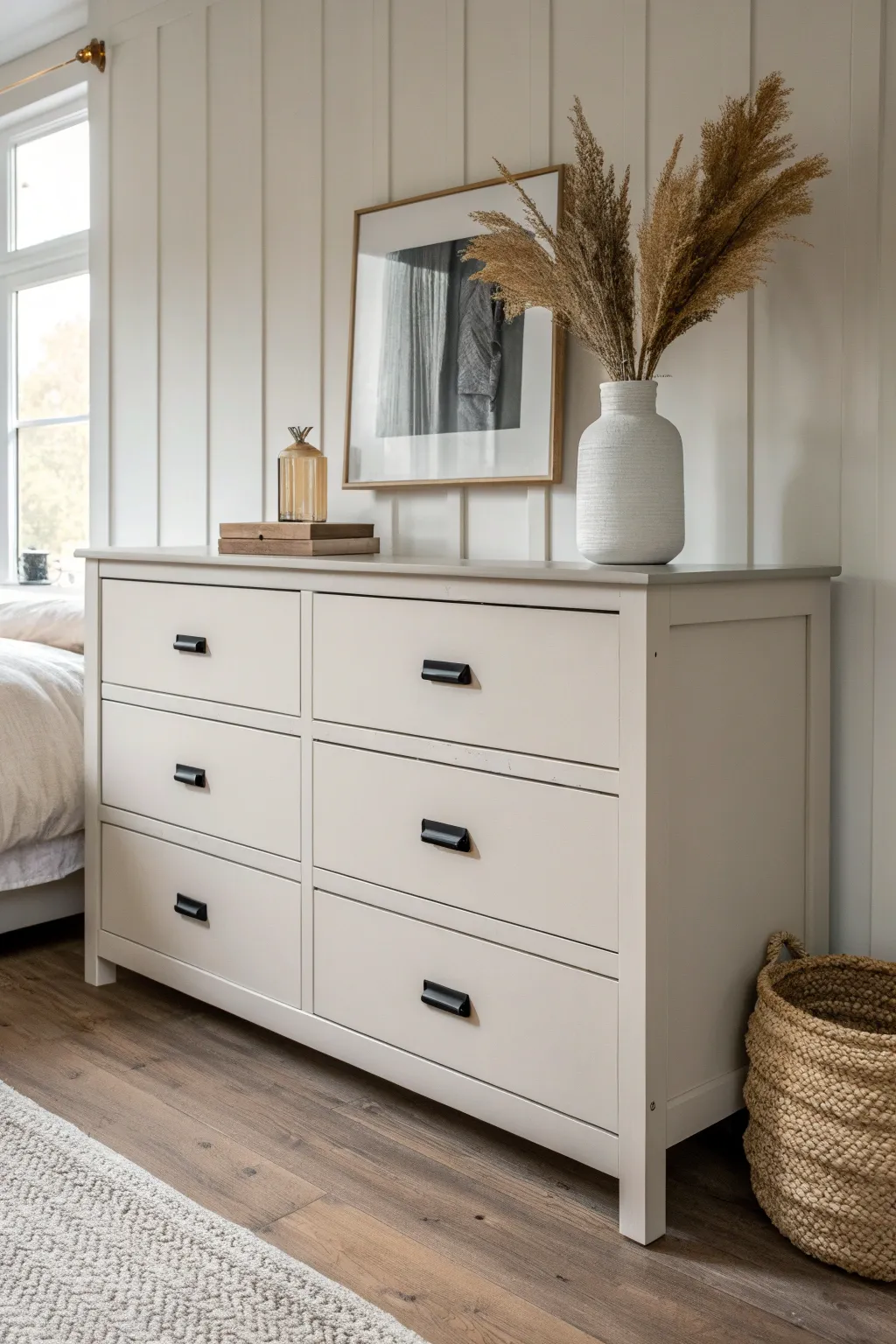
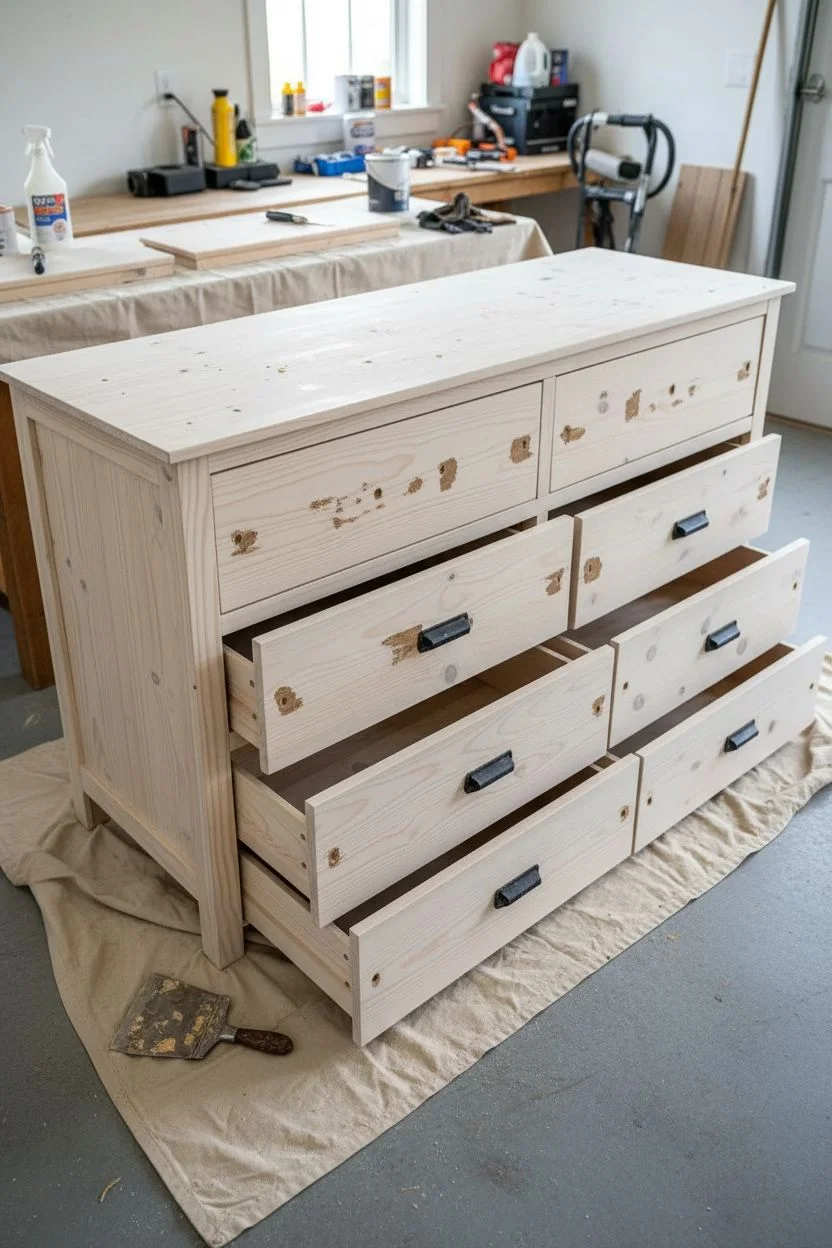
Transform a standard wooden dresser into a serene focal point with this light greige makeover. This project focuses on achieving a smooth, factory-like finish that pairs beautifully with bold matte black hardware for a modern yet timeless look.
Detailed Instructions
Materials
- Six-drawer wooden dresser (raw or previously finished)
- Screwdriver or power drill
- Degreasing cleaner (like TSP) and rags
- Wood filler and putty knife
- Sandpaper assortment (120, 220, and 320-grit)
- Tack cloths
- High-quality stain-blocking primer
- Satin finish interior paint (color matched to light greige)
- Angled synthetic brush (2-inch)
- 4-inch foam roller and tray
- Matte black cup pulls (6)
- Painter’s tape
- Drop cloth
Step 1: Preparation & Repairs
-
Create a workspace:
Set up your drop cloth in a well-ventilated area. Remove all six drawers from the dresser and set them aside on a flat surface. -
Remove old hardware:
Flip the drawers over or reach inside to unscrew the existing knobs or pulls. Keep the screws if your new hardware didn’t come with any. -
Clean thoroughly:
Wipe down the entire dresser frame and all drawer fronts with a degreasing cleaner to remove oils, dust, and furniture polish residue. -
Fill imperfections:
Inspect the wood for deep scratches or dents. Use a putty knife to press wood filler into these spots. If your new hardware has different spacing than the old, fill the old screw holes now. -
Initial sanding:
Once the filler is dry, sand the entire piece with 120-grit sandpaper. You aren’t trying to remove all the old finish, just scuffing it up to give the primer something to grab onto. -
Remove dust:
Vacuum up the bulk of the sanding dust, then wipe every surface carefully with a tack cloth to ensure it is perfectly clean.
Step 2: Priming & Painting
-
Tape edges:
If you aren’t painting the inside of the drawers, apply painter’s tape along the inner edges of the drawer fronts to keep your lines crisp. -
Apply primer:
Roll a thin coat of stain-blocking primer onto the large flat surfaces and use your angled brush for corners and detailed moldings. I like to let this dry overnight to ensure maximum adhesion. -
Sand the primer:
Lightly sand the primed surfaces with 220-grit sandpaper to smooth out any brush strokes or texture, then wipe away the dust. -
First coat of greige:
Stir your satin greige paint thoroughly. Use the angled brush to cut in around the legs, edges, and any recessed panels first. -
Roll the flats:
Immediately follow up with your foam roller on the flat surfaces (top, sides, drawer fronts) while the brushed paint is still wet to blend the textures. -
Dry and assess:
Allow the first coat to dry completely according to the can’s instructions—usually 4 to 6 hours. -
Light sanding:
For that ultra-smooth professional feel, verify the paint is dry and give it a very gentle pass with 320-grit sandpaper. -
Second coat:
Apply the second coat using the same method: brush the details, then roll the larger areas. Watch for drips along the edges of the drawers. -
Curing time:
Let the dresser sit undisturbed for at least 24-48 hours. Paint feels dry quickly, but it needs time to harden before you reassemble everything.
Smooth Operator
Add a paint conditioner (like Floetrol) to your latex paint. It slows drying time slightly, allowing brush strokes to level out for a flawless, sprayed-on look.
Step 3: Assembly & Styling
-
New hardware holes:
If you filled old holes, measure and mark the center of each drawer front for the new cup pulls. Drill pilot holes carefully. -
Install hardware:
Attach the matte black cup pulls to each drawer, tightening the screws from the inside until secure. -
Reassemble:
Slide the drawers back into their tracks, ensuring they glide smoothly without rubbing against the freshly painted frame.
Drawer Surprise
Line the insides of the drawers with a subtle beige or botanical print contact paper for a hidden pop of pattern every time you get dressed.
Step back and enjoy the calming atmosphere your newly refreshed furniture brings to the room

Matte Black Nightstands for Instant Contrast
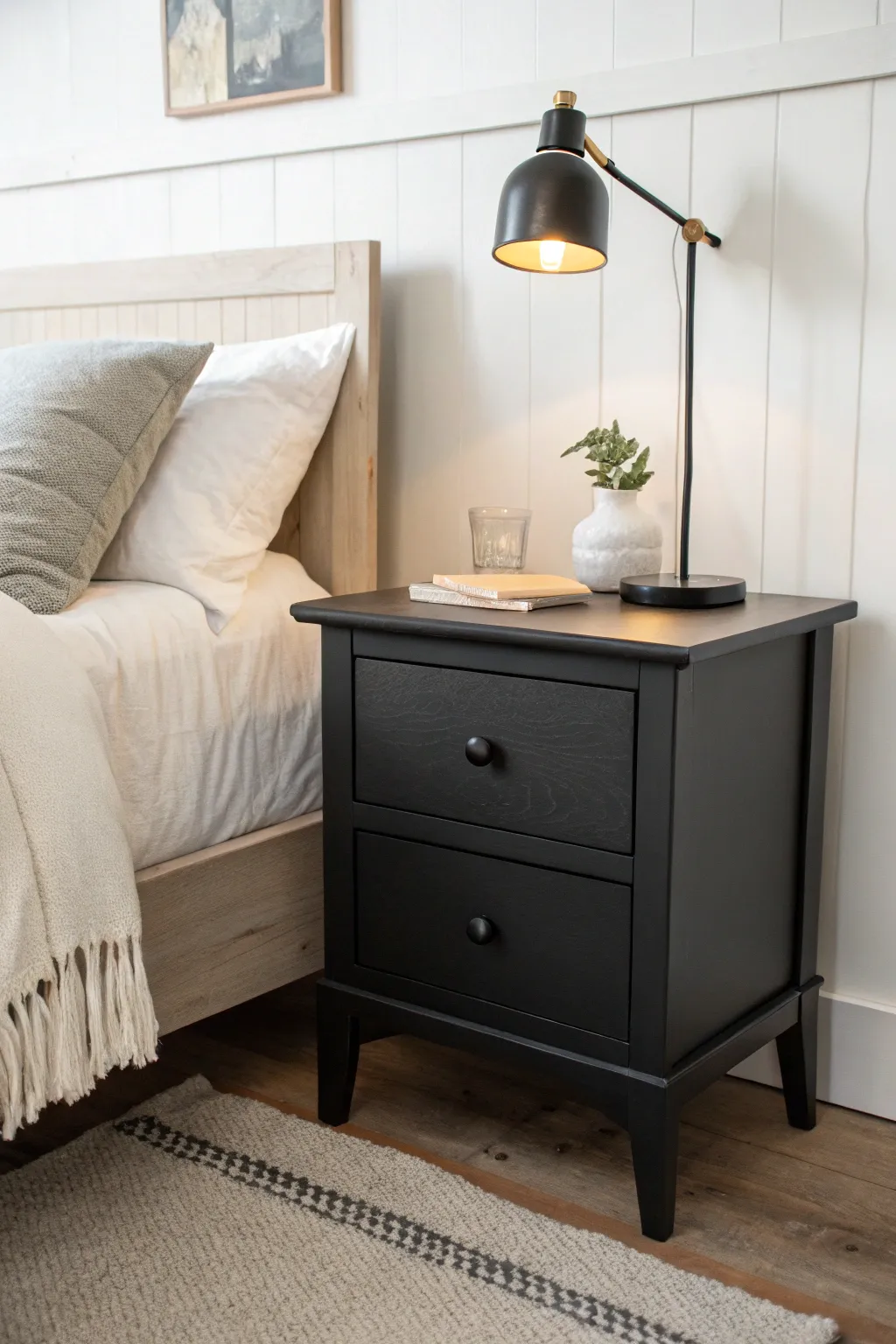
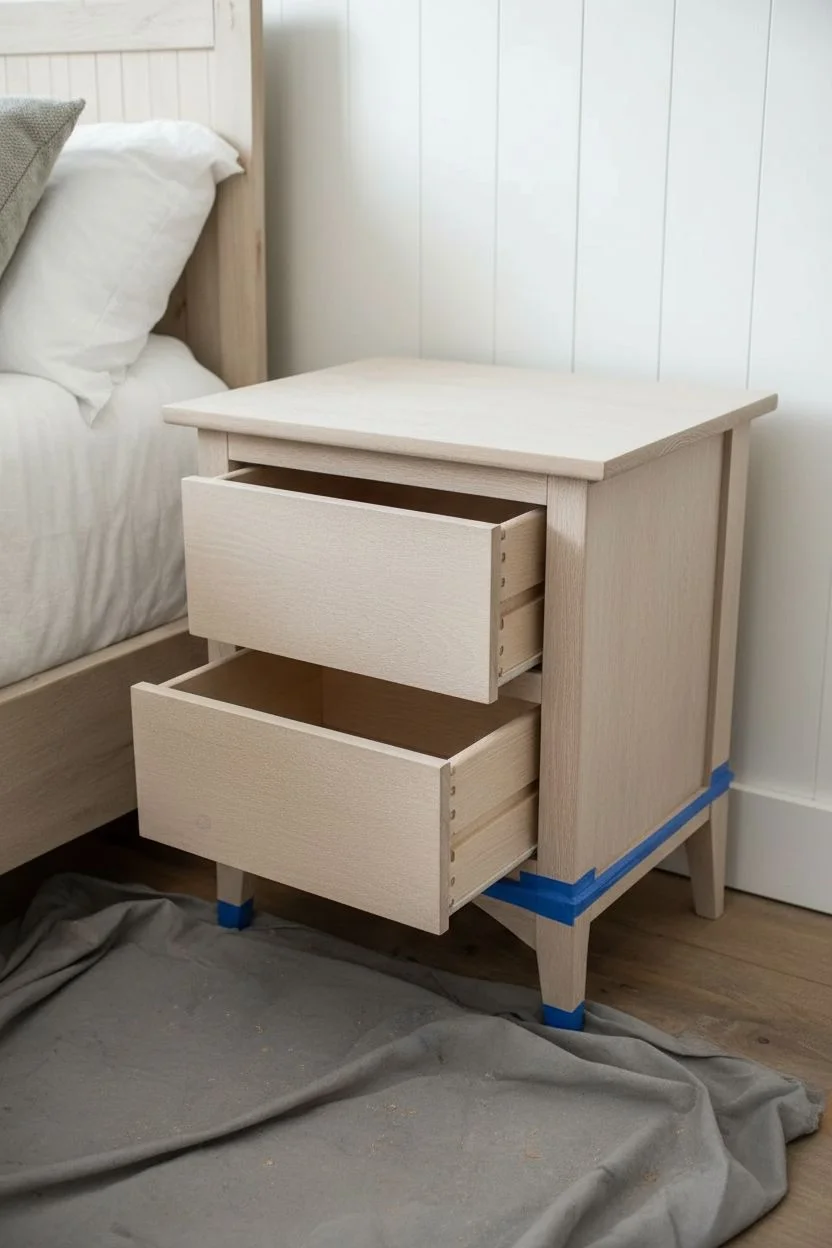
Transform a basic wooden bedside table into a sleek, modern statement piece with this high-contrast finish. The deep, matte black paint draws the eye while adding a sophisticated edge that pairs perfectly with warm wood tones and neutral bedding.
How-To Guide
Materials
- Wooden nightstand (unfinished or previously finished)
- Medium-grit sandpaper (120-150 grit)
- Fine-grit sandpaper (220 grit)
- Tack cloth or microfiber rags
- Liquid deglosser or TSP substitute (if refinishing)
- High-quality stain-blocking primer (grey tinted is best for black)
- Matte black furniture paint (chalk style or acrylic enamel)
- Small foam roller
- 2-inch angled synthetic paintbrush
- Polycrylic topcoat in Matte or Dead Flat finish
- Screwdriver for hardware removal
- Drop cloths
- Painter’s tape
Step 1: Preparation & Cleaning
-
Remove Hardware:
Begin by removing all knobs, pulls, and any metal drawer slides using your screwdriver. Store the screws and hardware in a labeled bag so they don’t get lost. -
Remove Drawers:
Take the drawers completely out of the unit. This makes painting the frame much easier and prevents drawers from sticking later. -
Clean Surfaces:
Wipe down the entire piece with a TSP substitute or degreaser to remove oils, wax, and dust. This step is crucial for paint adhesion. -
Initial Sanding:
Scuff sand the entire surface using 120-150 grit sandpaper. You don’t need to strip it to bare wood, just create a rough surface for the primer to grip. -
Dust Removal:
Vacuum up the sanding dust, then wipe the nightstand down thoroughly with a tack cloth to catch any remaining fine particles. -
Protect Surrounds:
Tape off inside the drawer tracks or any areas you want to keep unpainted, and lay down your drop cloths to protect your floor.
Step 2: Priming & Painting
-
Apply Primer:
Apply a coat of stain-blocking primer. I prefer using a grey-tinted primer when painting black, as it provides better coverage than white. -
Sand Primer:
Once the primer is fully dry, lightly sand it with 220-grit paper to smooth out any brush strokes or raised grain. -
Wipe Clean:
Use your tack cloth again to ensure the surface is perfectly dust-free before the real color goes on. -
First Coat – Edges:
Use your angled brush to cut in the corners, legs, and detailed edges with the matte black paint. -
First Coat – Surfaces:
While the edges are wet, use a small foam roller on the flat surfaces (top, sides, drawer fronts) to achieve a smooth, brush-free finish. -
Dry Time:
Allow this first coat to dry according to the manufacturer’s instructions, usually 2-4 hours. -
Second Coat:
Apply a second coat using the same method—brushing details first, then rolling flat areas. Black requires rich opacity, so don’t rush this layer. -
Check Coverage:
Inspect the piece in good lighting. If you see any unevenness, a light third coat may be necessary for that perfect velvety depth.
Master the Matte Look
Matte finishes show fingerprints easily. Choose a high-quality ‘enamel’ paint or a specific durable topcoat meant for heavy use to minimize smudges.
Step 3: Finishing Touches
-
Apply Topcoat:
To protect the finish without adding shine, apply a polycrylic topcoat in a Dead Flat or Matte sheen. Use a clean synthetic brush and apply in long, light strokes. -
Sand Between Coats:
For an ultra-smooth feel, lightly sand the first topcoat with 220-grit paper once dry, wipe clean, and apply a second thin layer. -
Cure Time:
Allow the nightstand to cure for at least 24-48 hours before placing heavy objects like lamps on top. -
Reassemble:
Once fully dry, reinstall the drawers and screw your hardware back into place. -
Hardware Update:
If your old knobs don’t match the new look, spray paint them matte black for a monochromatic look or swap them for modern brass pulls.
Add a Hidden Pop
Line the inside of the drawers with a patterned wallpaper or paint the drawer sides a contrasting metallic gold for a fun surprise when opened.
Enjoy the dramatic elegance your new nightstand brings to your bedroom space

Two-Tone Dresser With Natural Wood Drawers
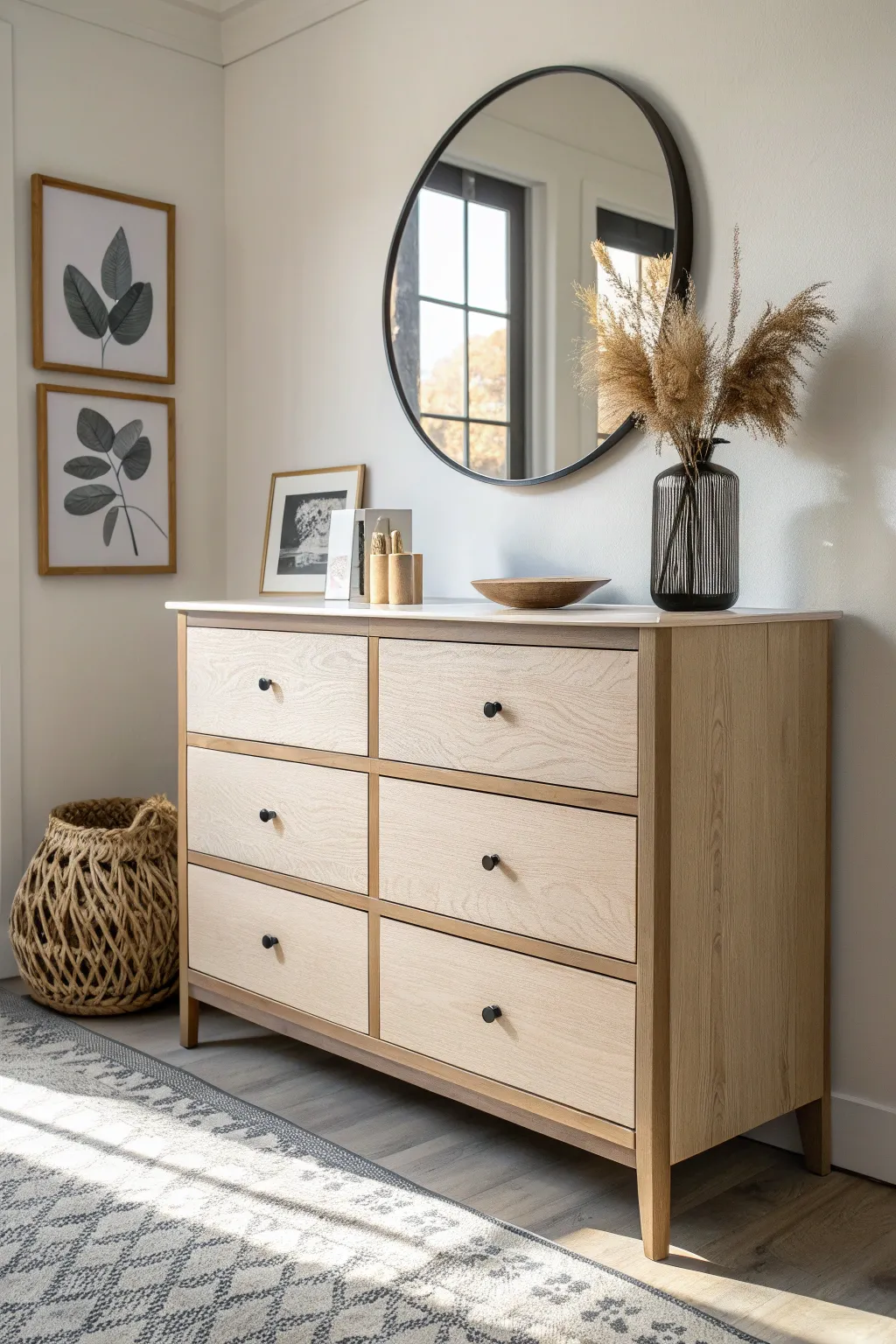
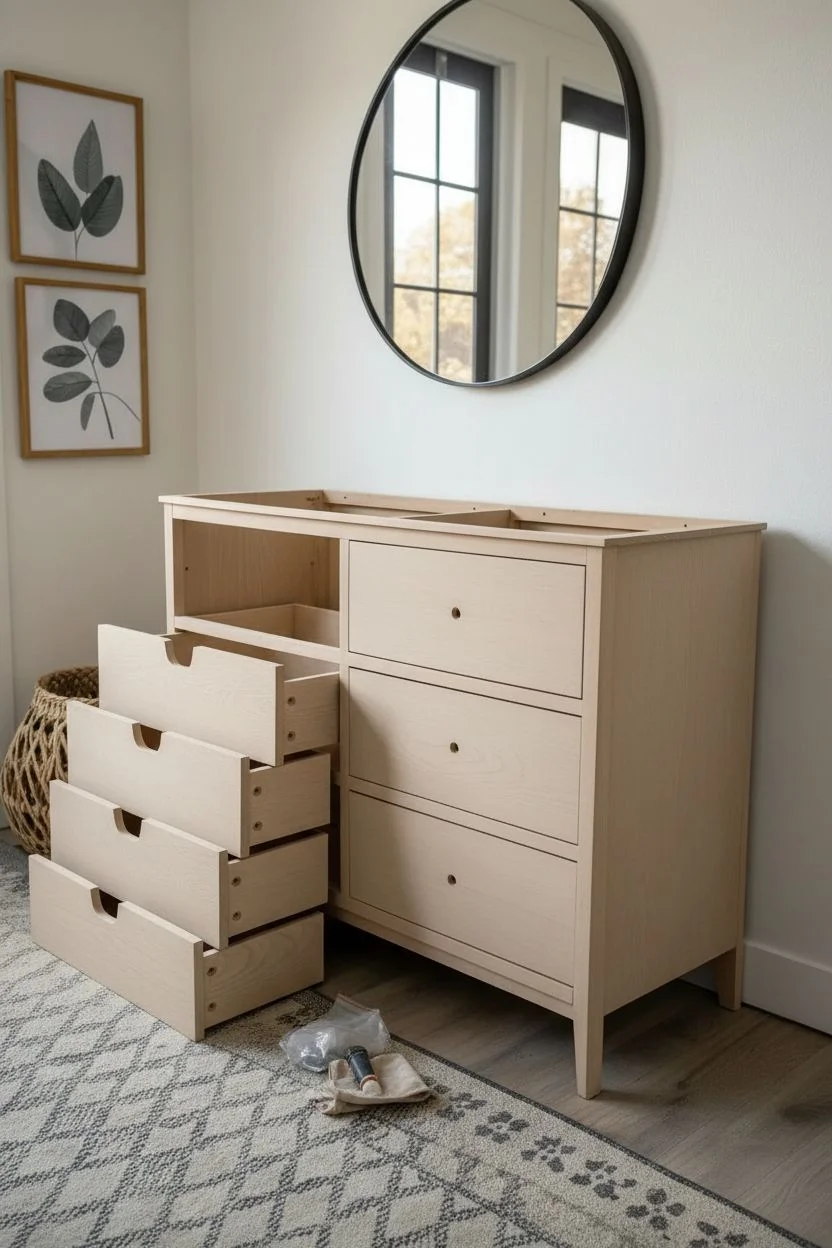
Achieve a high-end, custom look by blending a warm, natural oak frame with lighter, white-washed drawer fronts. This two-tone effect showcases the wood grain while adding a subtle modern contrast that brightens any bedroom.
Step-by-Step Tutorial
Materials
- Solid wood dresser (clean lines preferred)
- Orbital sander
- Sandpaper discs (80, 120, 220 grit)
- Detail sander or sanding block
- Bleach or wood lightener (optional, for drawer fronts)
- White or grey wash stain (water-based)
- Matte polyurethane topcoat
- Clean lint-free rags
- Synthetic bristle brush
- Matte black round drawer knobs
- Tack cloth
- Drill and bits
Step 1: Preparation & Stripping
-
Dissamble the dresser:
Start by removing all drawers from the dresser shell. Unscrew and remove the old hardware from each drawer front. Store the screws in a baggie if you plan to reuse them specifically, though we will be replacing the knobs. -
Clean surfaces:
Wipe down the entire piece with a degreaser or mild soap and water to remove oils and dust. Let it dry completely. -
Sand the frame base:
Using your orbital sander with 80-grit paper, begin sanding the main body (sides and dividers) of the dresser. Move to 120-grit, then finish with 220-grit for a smooth, raw wood surface. Be careful not to round over the sharp corners. -
Sand the drawer fronts:
Repeat the sanding process on just the drawer faces. Since we want these lighter, ensure you remove absolutely all of the old finish. Any leftover varnish will prevent the whitewash from absorbing evenly. -
Detail work:
Use a sanding block or detail sander to get into the corners and the narrow strips between the drawers on the frame. Remove all dust with a shop vac followed by a tack cloth.
Grain Game
For the most natural look, wet the wood slightly with water before staining. This ‘pops’ the grain, allowing it to hold more white pigment.
Step 2: Creating the Two-Tone Effect
-
Separate the pieces:
Set the dresser frame aside; we will keep this a warmer, natural tone. Focus your attention on the drawer fronts for the next steps. -
Bleach the drawers (Optional):
If your wood has red or orange undertones (like mahogany or cherry), apply a wood bleach solution first to neutralize the color. I find this creates a better canvas for the whitewash. Let it dry thoroughly, then lightly hand-sand with 220-grit. -
Apply the wash:
Dip a lint-free rag into your white or grey wash stain. Wipe it onto a drawer front, working with the grain. -
Wipe back:
Immediately wipe off the excess stain with a clean rag. The goal is not to paint it white, but to embed the white pigment into the grain while letting the wood texture show through. -
Assess the tone:
Let the first drawer dry. If you want a starker contrast against the frame, apply a second coat of the wash using the same wipe-on, wipe-off method.
Step 3: Sealing & Assembly
-
Clear coat the frame:
Apply a coat of water-based matte polyurethane to the dresser frame using a synthetic brush. This preserves the natural, warmer wood tone without yellowing it like oil-based products would. -
Seal the drawers:
Once the wash is dry on the drawers, apply the same matte polyurethane topcoat. Ensure you catch any drips on the edges immediately. -
Sand between coats:
After the first coat of poly dries (usually 2-4 hours), lightly hand-sand everything with ultra-fine 320-grit sandpaper to knock down any raised grain. Remove dust. -
Final coat:
Apply a second, careful coat of matte poly to both the frame and the drawers for durability. -
Install hardware:
Measure and mark the center of each drawer front. Drill holes for your new hardware if the spacing is different, or use the existing holes. -
Attach knobs:
Screw in the small, matte black round knobs. The high contrast of the black against the pale wood is essential for this specific modern look. -
Final assembly:
Slide the drawers back into their tracks, ensuring the lighter fronts are paired with the warmer frame for that subtle two-tone effect.
Stone Top Upgrade
Mimic the photo’s luxury feel by adding a pre-cut piece of quartz or marble remnant to the top of the dresser using construction adhesive.
Now you have a stunning, airy piece of furniture that looks custom-made for a fraction of the price.
BRUSH GUIDE
The Right Brush for Every Stroke
From clean lines to bold texture — master brush choice, stroke control, and essential techniques.
Explore the Full Guide
Tone-on-Tone Bed Frame That Blends Into the Walls
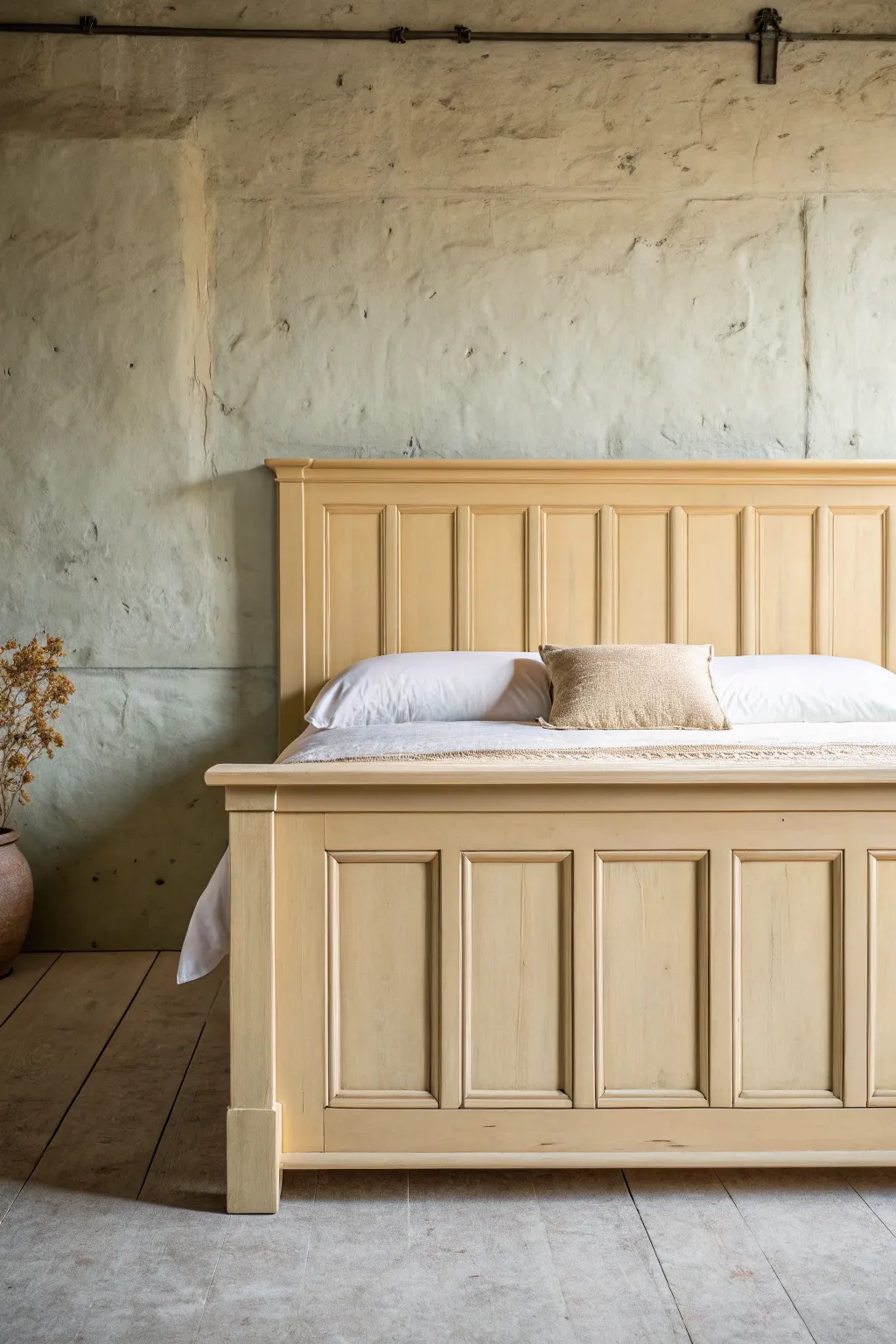
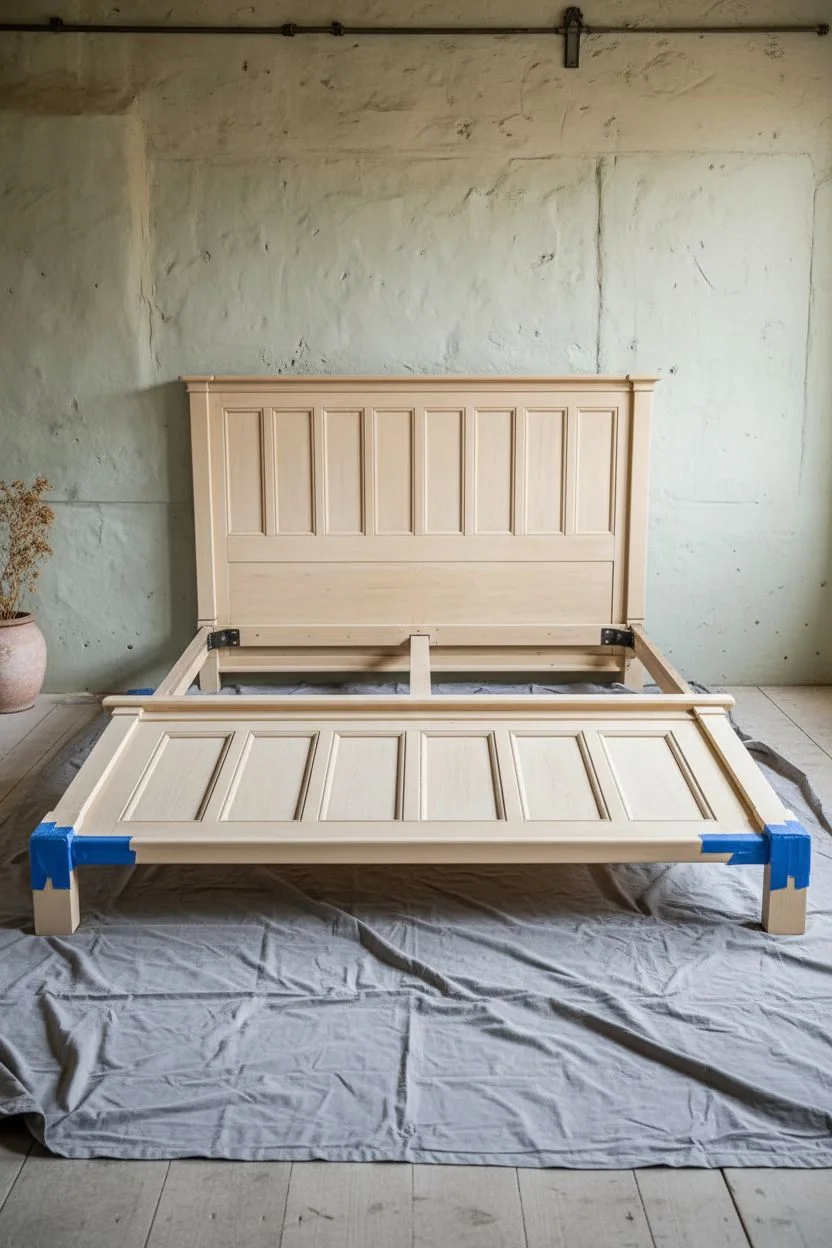
Transform a standard wooden bed frame into a serene sanctuary centerpiece with this tone-on-tone painting technique. By matching your furniture to the warm, plaster-like tones of your walls, you create a seamless and visually spacious aesthetic that feels calm and cohesive.
How-To Guide
Materials
- Wooden bed frame (headboard and footboard)
- Sandpaper (120-grit and 220-grit)
- Tack cloths
- High-quality wood primer (stain-blocking)
- Chalk paint or matte finish furniture paint (custom matched to wall color)
- Clear furniture wax or matte polyurethane sealer
- Synthetic bristle sash brush (2-inch)
- Small foam roller (for flat panels)
- Painter’s tape
- Drop cloths
- Screwdriver or Allen key (for disassembly)
- Waxing brush (if using wax)
Step 1: Preparation & Sanding
-
Clear the area:
Begin by removing all bedding and mattress from the frame. If possible, disassemble the headboard and footboard to make them easier to access from all angles; lay them flat on drop cloths in a ventilated area. -
Clean surface:
Wipe down every inch of the wood with a mild degreaser or soapy water to remove oils, dust, and old furniture polish. Let the wood dry completely before moving on. -
Initial sand:
Using 120-grit sandpaper, scuff the existing finish. You aren’t trying to strip it to bare wood, just creating enough ‘tooth’ for the primer to grab onto. Pay special attention to the recessed areas in the panel molding. -
Dust removal:
Vacuum up the loose sawdust, then wipe the entire piece with a tack cloth to ensure a perfectly clean surface. I find that skipping this quick step always leads to a gritty finish later. -
Masking:
Apply painter’s tape to any metal hardware, rails, or areas you do not wish to paint. Press the edges down firmly to prevent bleed-through.
Step 2: Priming & Painting
-
Apply primer:
Brush on a coat of stain-blocking primer. Use the sash brush to get into the corners of the recessed panels first, then use the foam roller for the flat surfaces to minimize brush strokes. -
Light sanding:
Once the primer is fully dry (check the can for times), lightly run 220-grit sandpaper over the surface to smooth out any raised wood grain or rough spots. Wipe away the dust with a fresh tack cloth. -
First coat: Edges:
Open your buttery cream paint (matched closely to your wall tone). Using your angled brush, paint the interior edges of the panels and the complex molding profiles first. Keep the coat thin to avoid drips pooling in the corners. -
First coat: Flats:
While the edges are still wet, switch to your foam roller or a larger flat brush to cover the broad, flat panels and structural posts. Maintain a ‘wet edge’ to ensure a smooth transition between brush and roller work. -
Check for imperfections:
Let this first coat dry completely. Inspect for any runs or drips; if you find any, sand them gently with the 220-grit paper before proceeding. -
Second coat:
Apply a second coat using the same method—edges first, then flats. This coat provides the true opacity and richness. If you are using a very light yellow over dark wood, a third thin coat might be necessary.
Paint Matching Secret
Don’t just color match. Choose a paint shade one step lighter than your wall color on the swatch card. Furniture is vertical, so it naturally appears darker in shadows.
Step 3: Finishing & Protection
-
Curing time:
Allow the final coat of paint to dry for at least 24 hours. The paint needs to be hard enough to handle the protective sealing process without lifting. -
Apply protection:
For a matte, antique look like the photo, apply clear furniture wax with a waxing brush. Work in small circular motions, pushing the wax into the wood grain. Alternatively, brush on a matte polyurethane for higher durability. -
Buffing:
If using wax, let it sit for about 15-20 minutes until tacky, then buff it vigorously with a clean, lint-free cotton cloth to create a soft, subtle sheen. -
Reassembly:
Once the sealer or wax has cured (this can take a few days for full hardness), remove the painter’s tape, reassemble your bed frame, and replace the mattress.
Add Antique Depth
Mix a tiny amount of brown glaze into your clear wax. Apply it only into the deep crevices of the panel molding to subtly highlight the architectural details.
Now you have a beautifully blended focal point that makes your bedroom feel larger and more peaceful
Deep Navy Dresser as a Bedroom Statement Piece
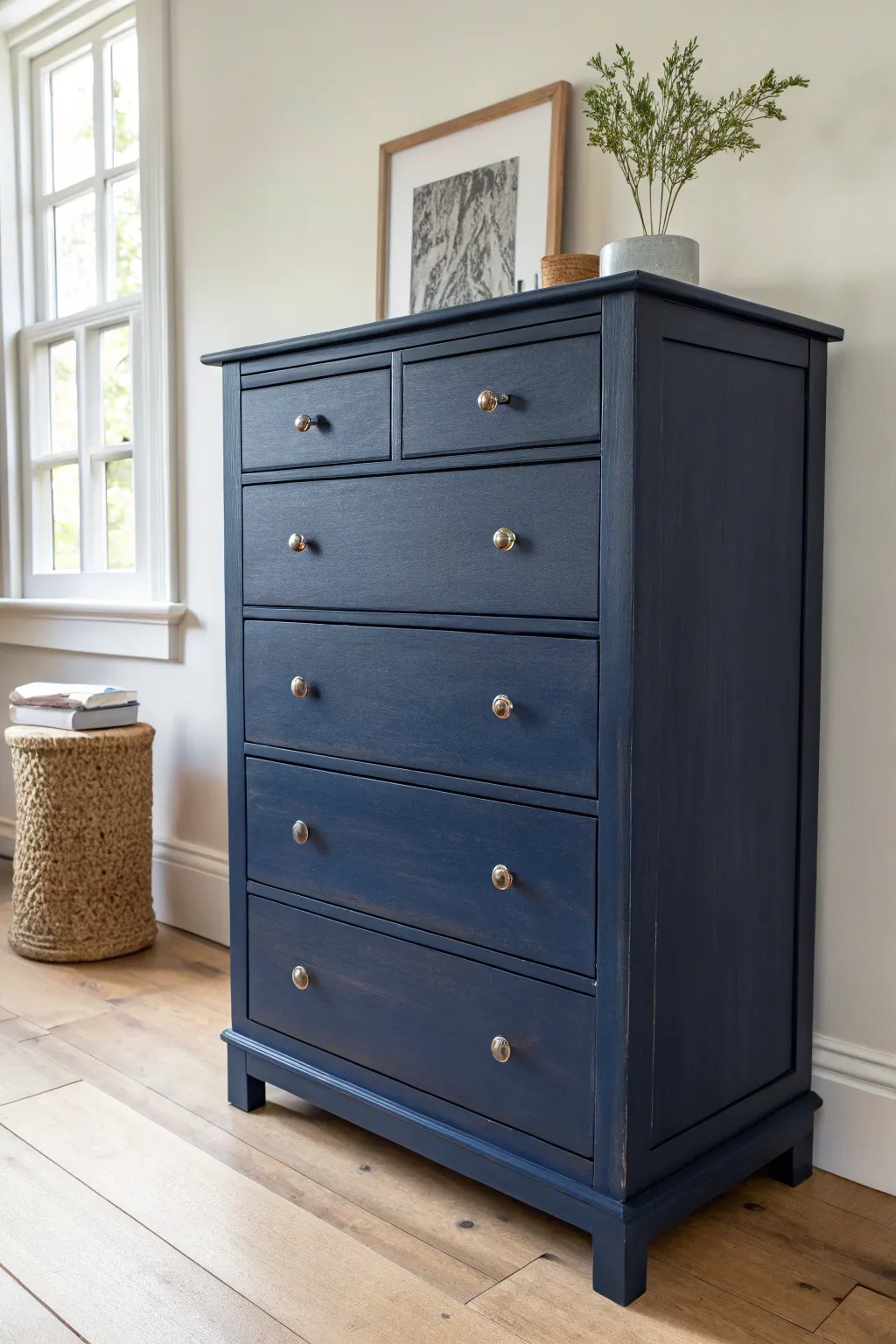
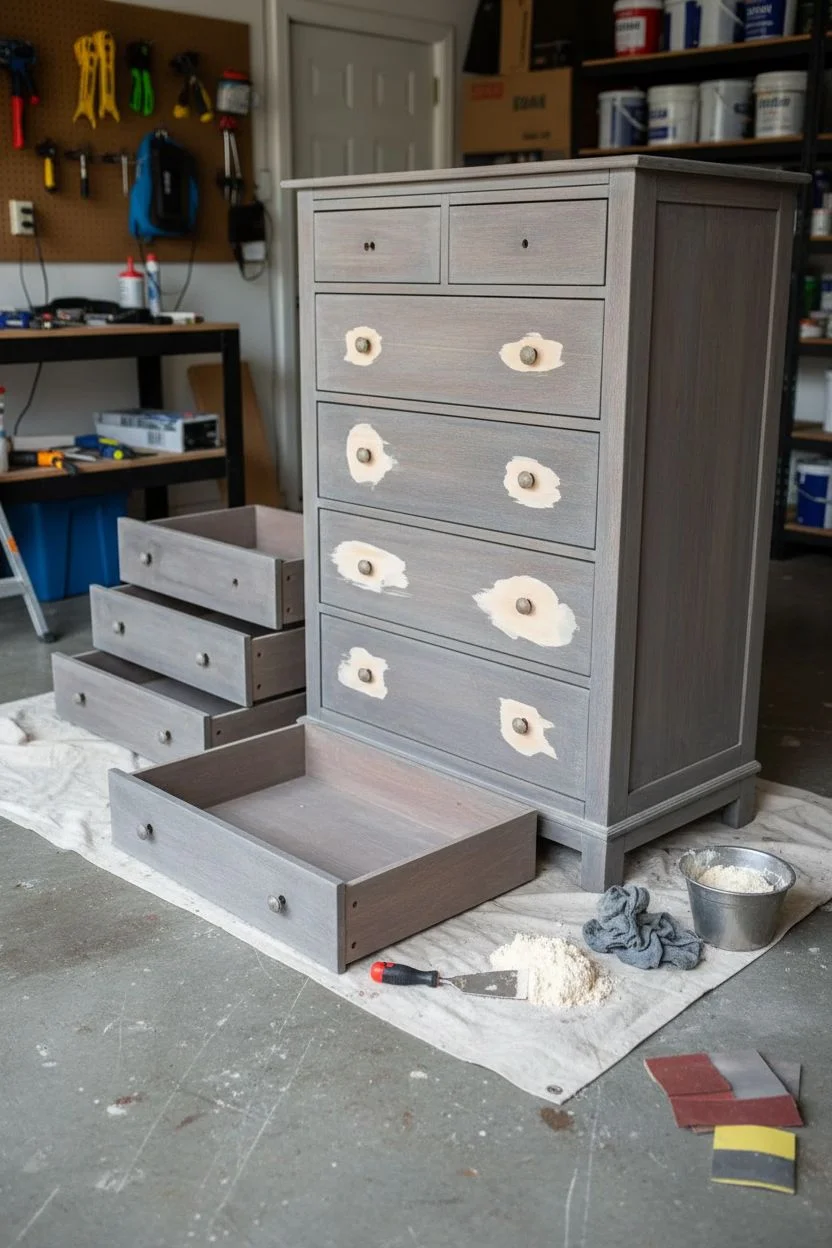
Transform a plain or dated chest of drawers into a sophisticated focal point with this navy blue furniture flip. The deep, moody color paired with classic brass hardware creates a piece that feels both modern and timeless.
Step-by-Step
Materials
- Wooden dresser (raw or previously finished)
- Deep navy blue furniture paint (chalk or mineral type)
- Clear matte or satin topcoat (polyurethane or wax)
- TSP cleaner or degreaser
- Medium (120-grit) and fine (220-grit) sandpaper
- Tack cloth
- Gold or brass knobs
- High-quality synthetic bristle brush (2-inch)
- Small foam roller (optional for flat sides)
- Painter’s tape
- Screwdriver
- Wood filler (if repairing holes)
- Drop cloth
Step 1: Preparation & Cleaning
-
Remove hardware:
Begin by removing all matching drawers from the dresser frame. Use a screwdriver to take off the old knobs or handles and set them aside if you plan to reuse them, though new hardware often makes the biggest impact. -
Clean thoroughly:
Scrub the entire piece—drawers and frame—with a TSP cleaner or a strong degreaser. Furniture often has hidden oils or wax buildup that can prevent paint adhesion, so don’t skip this critical step. -
Fill imperfections:
If there are deep scratches or old hardware holes you want to move, fill them with wood filler now. Smooth it over with a putty knife and let it dry completely according to the package instructions. -
Scuff sand:
Using 120-grit sandpaper, give the entire surface a good scuff sand. You aren’t trying to remove all the old finish, just creating a toothy surface for the paint to grab onto. -
Remove dust:
Vacuum up the sanding dust, then wipe everything down with a tack cloth to ensure a perfectly clean surface.
Step 2: Painting the Body
-
Tape off edges:
Apply painter’s tape to the inside runners or anywhere you don’t want paint to go, such as the inside of the drawer cavities. -
First coat application:
Stir your deep navy paint thoroughly. Using a high-quality synthetic brush, apply the first coat to the frame. Brush in the direction of the wood grain. For larger flat sides, I sometimes switch to a small foam roller to speed things up and minimize brush strokes. -
Detail work:
Pay special attention to corners, recessed panels, and trim details. Dab the brush gently into crevices to ensure full coverage without paint pooling. -
Paint the drawers:
While the frame dries, paint the drawer fronts. Prop them up securely so you can paint the edges without them sticking to your work surface. -
Sand between coats:
Once the first coat is fully dry (usually 2-4 hours), lightly sand flat surfaces with 220-grit sandpaper to knock down any bumps. Wipe away the dust with your tack cloth. -
Second coat:
Apply a second coat of navy paint. This deeper color often needs two steady coats for true opacity. Watch for drips along the edges and smooth them out immediately. -
Inspect coverage:
Check your work in good lighting. If you see any streaky areas, a third thin coat may be necessary for that rich, velvety finish seen in the photo.
Pro Tip: Smooth Finish
To eliminate brush strokes almost entirely, dampen your synthetic brush slightly with water before dipping it into the paint. It helps the paint self-level.
Step 3: Finishing Touches
-
Subtle distressing (optional):
For a slightly lived-in look, very gently sand the sharpest edges of the top and drawer fronts with 220-grit paper to reveal a tiny hint of wood, though you can skip this for a sleek modern look. -
Apply topcoat:
Seal your work with a clear matte or satin polyurethane. Apply it in long, even strokes, careful not to overwork it as it can turn cloudy. Two thin coats provide better protection than one thick one. -
Install hardware:
Once the topcoat has cured for at least 24 hours, attach your new gold or brass knobs. The contrast between the gold and the navy is what really makes this piece sing. -
Reassemble:
Slide the drawers back into their designated spots. Step back and admire your new statement piece.
Level Up: Drawer Liners
Line the inside of the drawers with a patterned floral or geometric wallpaper. It adds a secret pop of luxury every time you open them to grab a sweater.
Now you have a stunning, custom piece of furniture that anchors your bedroom with rich color and classic style

PENCIL GUIDE
Understanding Pencil Grades from H to B
From first sketch to finished drawing — learn pencil grades, line control, and shading techniques.
Explore the Full Guide
Dusty Sage Chest for a Restful, Nature-Inspired Mood
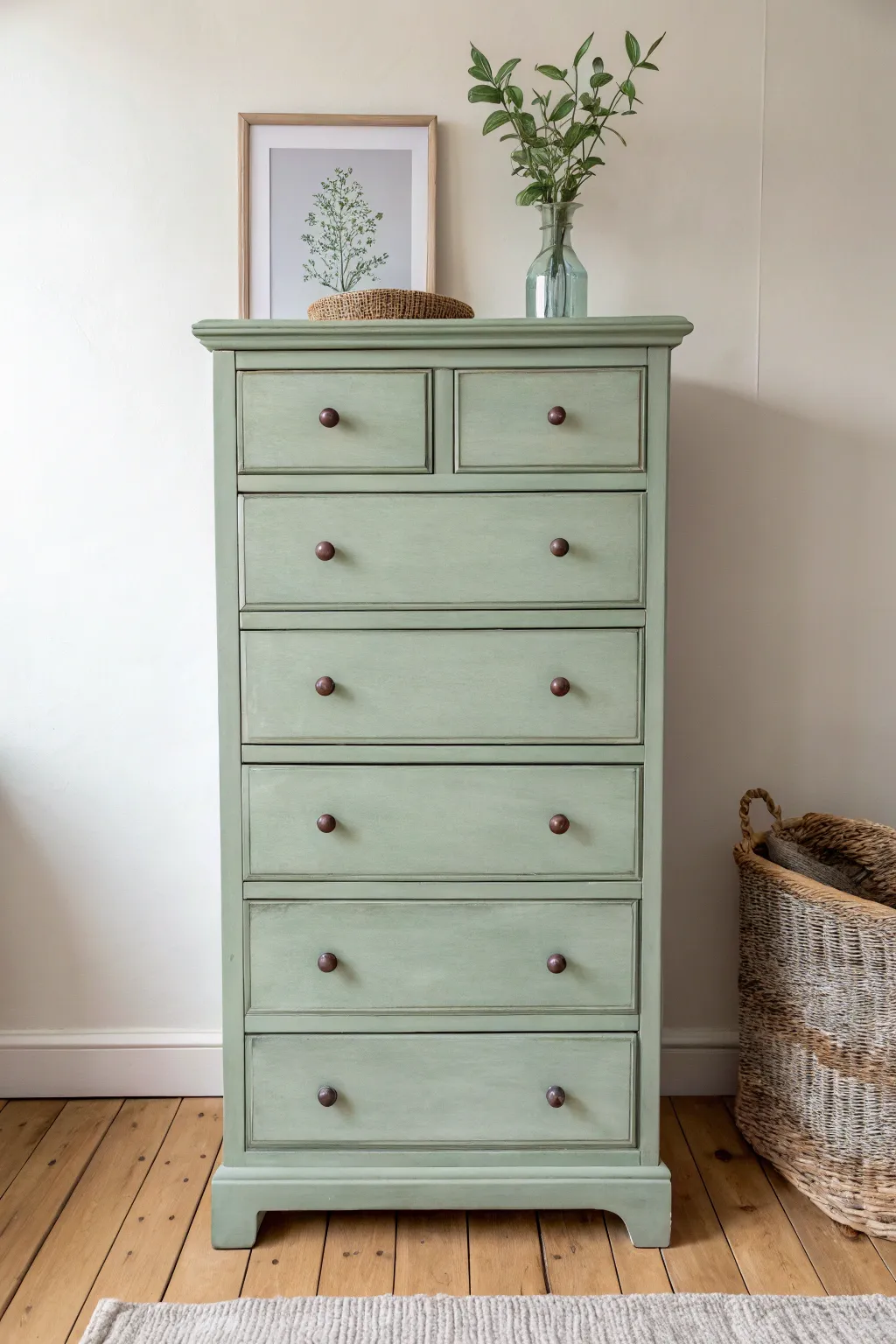
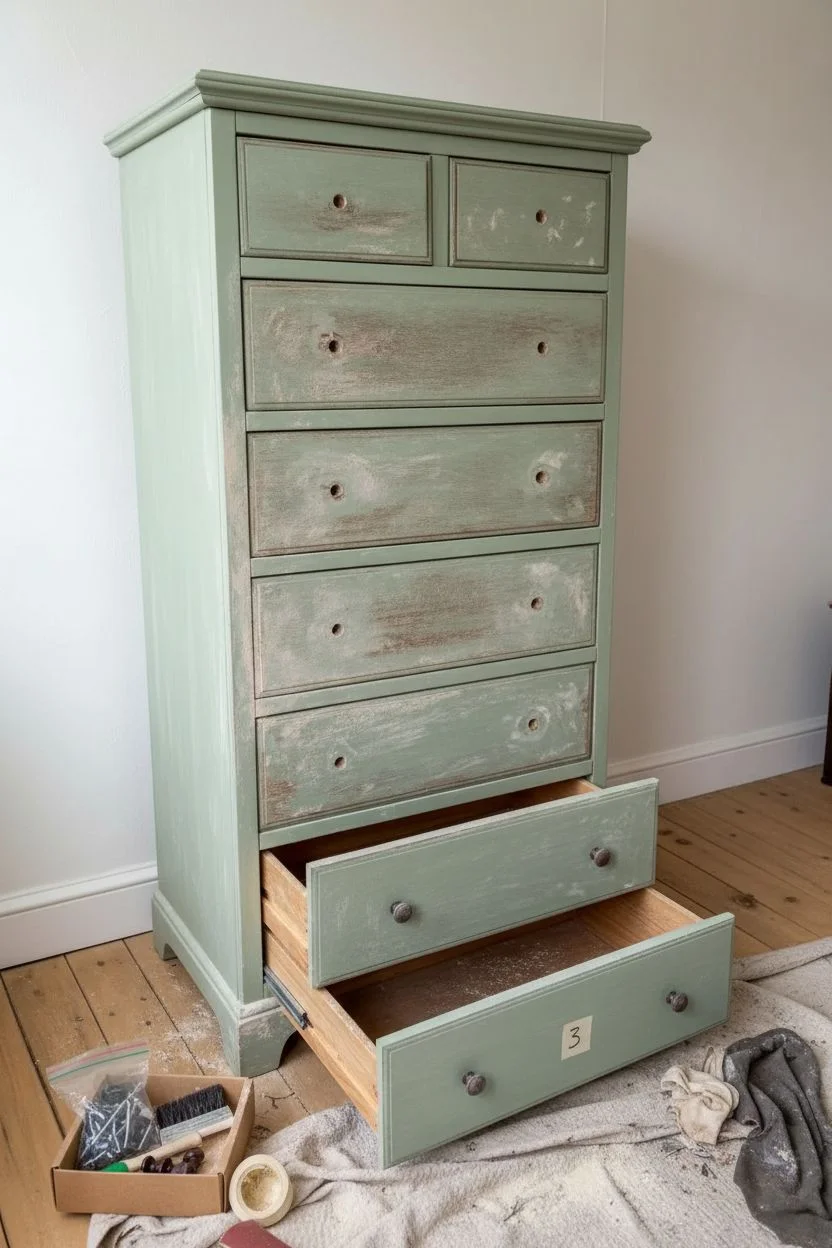
Transform a standard wooden dresser into a calming sanctuary piece with this nature-inspired makeover. Using a soft, dusty sage green and subtle distressing techniques, you’ll create a furniture piece that feels both grounded and airy.
Detailed Instructions
Materials
- Solid wood chest of drawers (thoroughly cleaned)
- Medium and fine grit sandpaper (120 and 220 grit)
- Tack cloth
- High-quality adhesion primer
- Chalk-style or mineral paint in Dusty Sage/Eucalyptus Green
- Clear furniture wax
- Dark antique wax (optional for depth)
- Synthetic oval paint brush (2-inch)
- Wax brush or lint-free cotton rags
- Wood filler (if repairing old hardware holes)
- New wooden knob hardware (stained dark walnut)
Step 1: Preparation & Repairs
-
Remove Hardware:
Begin by unscrewing all existing knobs or pulls. Store the screws in a labeled baggie so you don’t lose them, even if you plan to replace the hardware. -
Pull Out Drawers:
Remove all drawers from the chest body. Number the bottom of each drawer with a piece of tape so you know exactly which slot they belong to later. -
Deep Cleaning:
Scrub the entire piece with a degreaser or TSP alternative to remove oils, old polish, and dirt. This is crucial for paint adhesion. -
Scuff Sanding:
Using 120-grit sandpaper, give the entire surface a good scuff sand. You don’t need to strip it to bare wood, just break the shiny finish to give the paint ‘tooth’. -
Patch & Smooth:
If you are changing hardware spacing or see deep gouges, fill the holes with wood filler now. I like to overfill slightly, let it dry, and then sand it perfectly flush. -
Dust Removal:
Wipe away every speck of sanding dust using a tack cloth or a damp rag. Dust residue is the enemy of a smooth finish.
Sticky Drawers?
If painted drawers stick, rub a plain candle or block of beeswax along the wooden runners and the sides of the drawer box to help them glide smoothly.
Step 2: Painting Process
-
Prime the Surface:
Apply a coat of high-quality stain-blocking primer. This prevents tannins from the original wood bleeding through your light green paint. -
First Paint Coat:
Once the primer is dry, apply your first coat of dusty sage chalk paint. Use long, even strokes with your synthetic brush, following the grain of the wood. -
Watch the Edges:
Open the drawers slightly or paint them separately to ensure you don’t paint them shut. Pay attention to the inset panel details on each drawer front. -
Sand Between Coats:
After the first coat dries completely, lightly run 220-grit sandpaper over the surface to knock down any brush strokes, then wipe clean. -
Second Paint Coat:
Apply the second coat of sage paint. This should provide full, opaque coverage. If the original wood was very dark, a third thin coat might be necessary.
Step 3: Finishing Touches
-
Distressing Edges:
For that lived-in look seen in the photo, take 220-grit sandpaper and gently gently sand the raised edges and corners where wear would naturally occur. -
Sealing with Wax:
Brush on a layer of clear furniture wax over the entire piece. It deepens the color and provides a protective seal. -
Buffing:
Wait about 15-20 minutes for the wax to haze over, then buff it briskly with a clean, lint-free cloth to achieve a soft satin sheen. -
Optional Aging:
If you want more depth in the crevices, apply a tiny amount of dark antique wax into the corners and wipe back the excess immediately. -
Hardware Installation:
Install the new dark-stained wooden knobs. The contrast between the dark wood and sage green is key to this specific look. -
Reassembly:
Here is where your numbering helps—slide the drawers back into their original spots for a perfect fit.
Level Up: Drawer Liners
Line the interior drawer bottoms with a botanical print wallpaper or scented drawer liner paper to continue the nature theme when you open the chest.
Step back and admire how this soothing green hue completely revitalizes the space with a breath of fresh air
Soft Blush Vanity Makeover for a Gentle Pop of Color
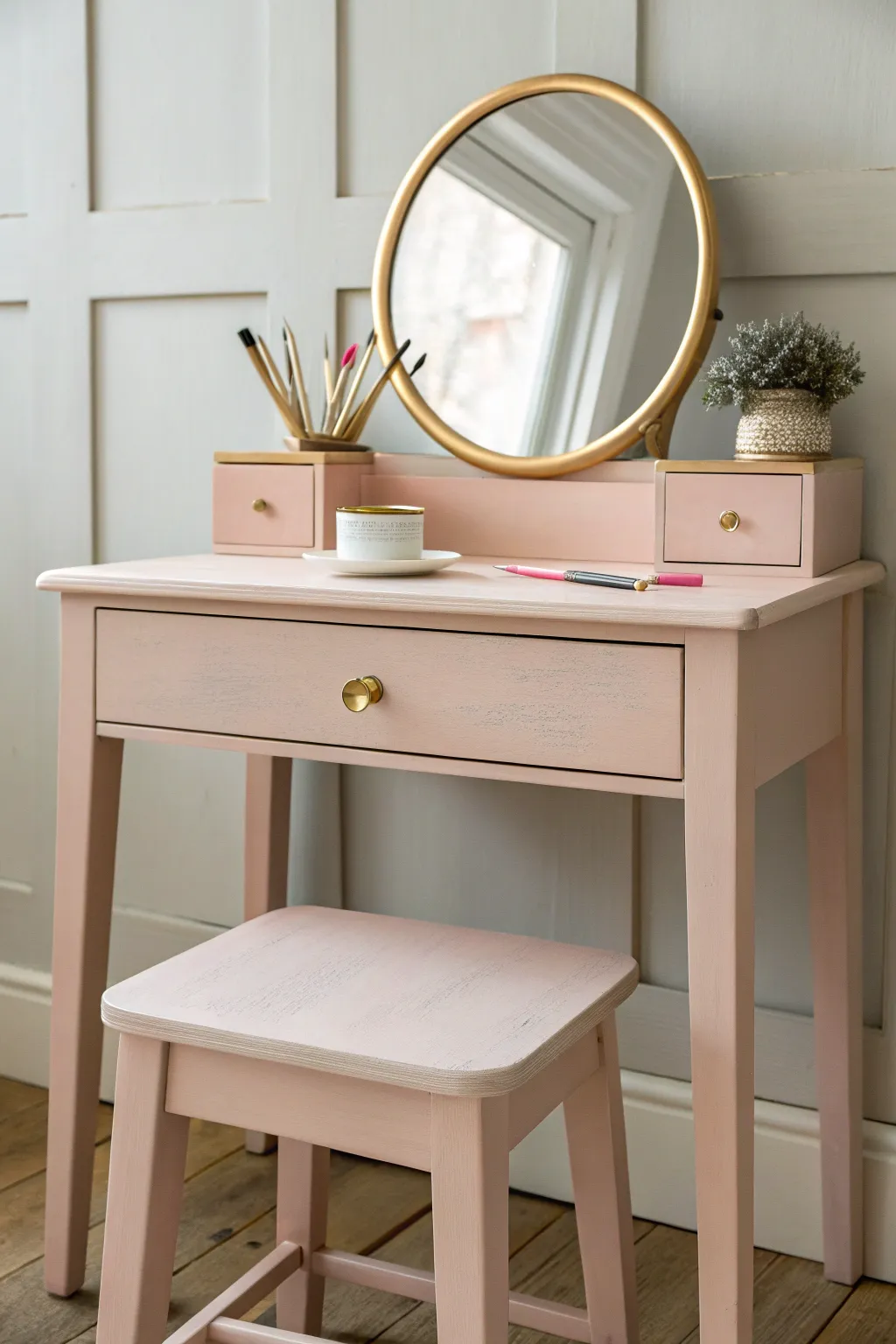
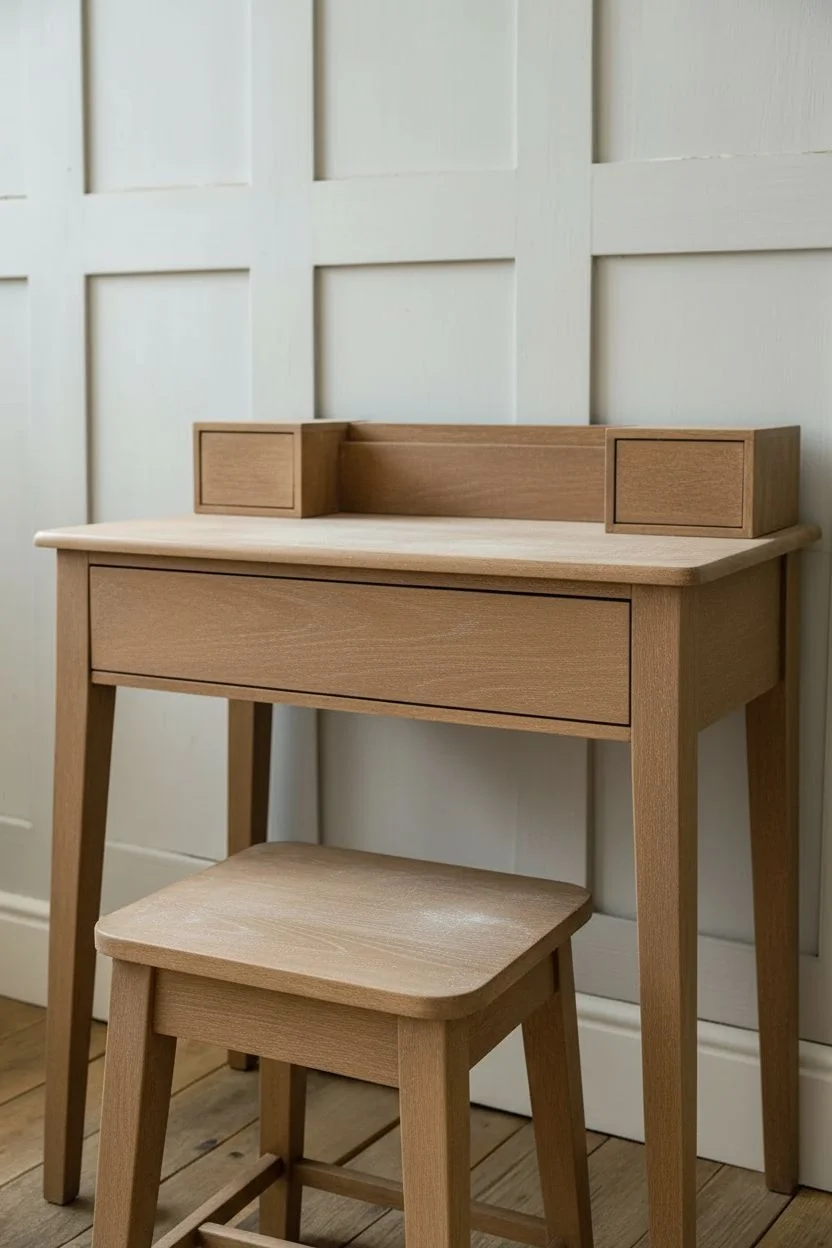
Transform a tired wooden desk or vanity into a dreamy, feminine focal point with this soft blush makeover. The subtle distressing technique adds depth and character, giving the piece a lived-in, vintage charm that feels both elegant and cozy.
Step-by-Step Guide
Materials
- Wooden vanity table and stool
- Sandpaper (120 and 220 grit)
- Orbital sander (optional)
- Tack cloth
- Primer (bonding or shellac-based)
- Chalk-style paint in Soft Blush or Pale Pink
- Clear furniture wax
- Dark or antique wax (optional for deeper distressing)
- Lint-free rags
- Synthetic oval paint brush
- Wax brush
- Gold spray paint (metallic finish)
- Painter’s tape
- Screwdriver
Step 1: Preparation & Repairs
-
Remove hardware:
Begin by removing all drawers from the vanity. Using a screwdriver, carefully take off the existing knobs or pulls from the main drawer and any smaller drawers. Set the hardware aside if you plan to reuse it, or dispose of it if you are replacing it entirely. -
Remove the mirror:
If your vanity has an attached mirror that can be unscrewed or detached, remove it now. This makes painting the backboard and the mirror frame itself much easier and cleaner. -
Clean surface:
Wipe down the entire vanity and stool with a degreasing cleaner (like TSP or a specialized furniture cleaner) to remove years of oils, makeup residue, and dust. -
Scuff sand:
Even if your paint claims no prep is needed, I always recommend a quick scuff sand. Use 120-grit sandpaper to roughen the shiny varnish on the flat surfaces and legs. This gives the primer something to grip onto. -
Remove dust:
Vacuum up the sanding dust, then wipe every nook and cranny with a tack cloth to ensure a completely clean surface before painting.
Step 2: Painting Process
-
Prime the furniture:
Apply a coat of bonding primer. This is especially crucial for older wood pieces to prevent tannins (reddish stains from the wood) from bleeding through your beautiful light pink paint. Let the primer dry according to the can’s instructions. -
First coat of blush:
Stir your chalk-style paint thoroughly. Using a synthetic oval brush, apply the first coat of blush pink paint. Follow the grain of the wood. Don’t worry if it looks slightly streaky; coverage will improve with the next layer. -
Smooth sanding:
Once the first coat is completely dry, very lightly run a 220-grit sanding sponge over the flat surfaces to knock down any brush strokes. -
Second coat:
Apply the second coat of paint. This should provide full opacity. Pay special attention to the legs and the edges of the stool seat. -
Distress the edges:
Allow the paint to fully cure overnight. Then, take a 220-grit sandpaper block and gently sand the edges, corners, and raised details where natural wear would occur. You want the original wood or primer to peek through slightly for that vintage farmhouse look.
Bleed-Through Blues?
If pink or yellow stains appear through your primer, the wood tannins are bleeding. Switch to a shellac-based stain-blocking primer immediately to seal them in before painting.
Step 3: Finishing Touches
-
Refresh the mirror:
If your mirror frame needs an update, tape off the glass entirely with painter’s tape and paper. Apply two light coats of metallic gold spray paint to the frame. -
Update hardware:
Similarly, if reusing old hardware, clean and spray paint the knobs gold to match the mirror. If buying new, select simple round gold knobs. -
Seal with wax:
Dip a wax brush into clear furniture wax. Apply it over the painted wood in circular motions, working in small sections. This seals the chalk paint and makes it durable. -
Buff the finish:
Wait about 15-20 minutes for the wax to haze over, then buff it vigorously with a clean, lint-free rag to create a soft, satin sheen. -
Reassemble:
Once everything is dry and cured, reattach the mirror to the vanity base and screw the gold knobs back onto the drawer fronts.
Distressing Tip
For a natural distressed look, focus your sanding on high-traffic areas: near the handles, corners of the drawers, and the feet of the stool.
Enjoy your lovely new cosmetic station that brings a touch of serenity to your morning routine


Painted Headboard Details That Highlight Carving and Molding
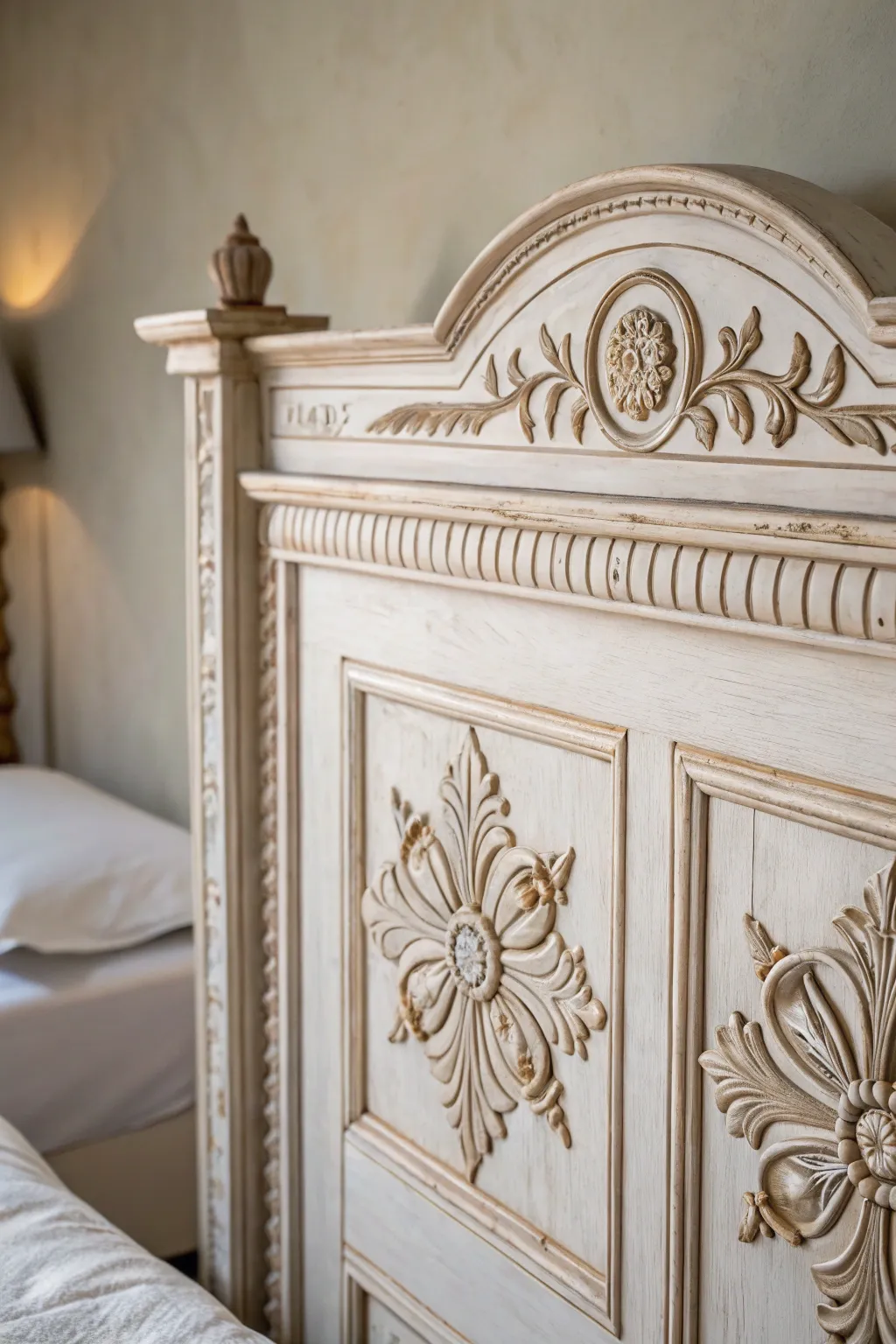
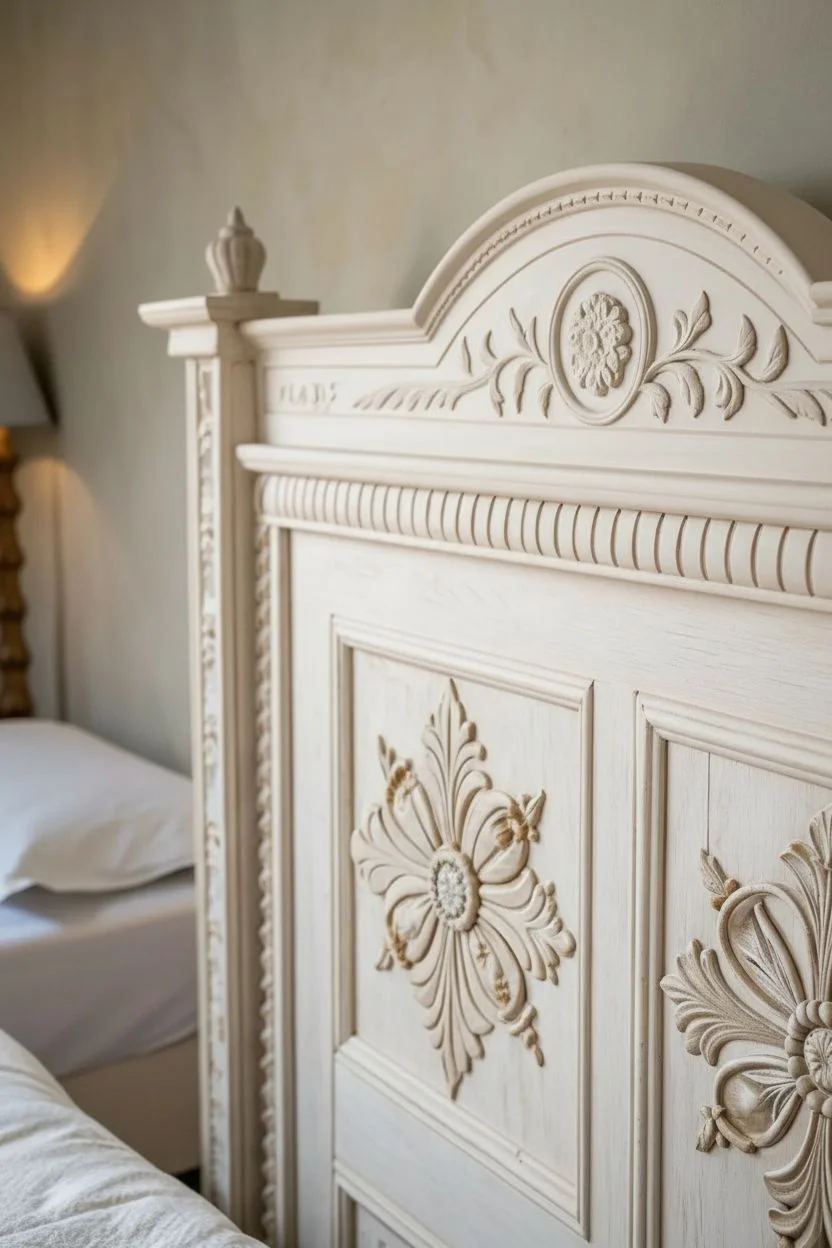
Transform a standard wooden headboard into a piece of timeless elegance with this layered paint and glaze technique. By using a creamy base and a strategic antiquing glaze, you can beautifully highlight intricate carvings and moldings to achieve a sophisticated, aged French country look.
Detailed Instructions
Materials
- Carved wooden headboard (prepped and cleaned)
- Chalk-style paint or mineral paint (Cream or Off-White)
- Clear furniture wax
- Dark antiquing wax or brown glaze
- Synthetic oval brush (medium size)
- Round wax brush
- Detail artist brush (small)
- Lint-free cotton rags
- Fine grit sandpaper (220-320 grit)
- Tack cloth
- Painter’s tape
Step 1: Base Coat Application
-
Clean surface:
Begin by thoroughly cleaning the headboard to remove any oils, dust, or old polish. A mixture of water and a little degreasing dish soap works well, but ensure you wipe it dry immediately. -
Scuff sand:
Lightly scuff the existing finish with 220-grit sandpaper. This doesn’t need to remove the old finish entirely, just enough to give the new paint some ‘tooth’ to grip onto. -
Remove dust:
Wipe away all sanding residue with a tack cloth to ensure a perfectly smooth starting surface. -
First coat:
Apply your first coat of cream chalk-style paint using the oval synthetic brush. Work in long, smooth strokes following the grain of the wood. -
Paint recesses:
Pay special attention to pushing the paint into the deep crevices of the floral carvings and fluted molding. Don’t worry if it globs slightly here; we want full coverage. -
Dry time:
Allow the first coat to dry completely, usually about 2-4 hours depending on humidity. -
Second coat:
Apply a second coat for opaque coverage. If you want a smoother finish, dip your brush tip in a tiny bit of water before loading paint to help it level out.
Glaze Control
If the dark wax looks too heavy or stains a spot too deeply, simply apply more clear wax over it immediately. The fresh clear wax acts like an eraser for the dark wax.
Step 2: Distressing and Sealing
-
Distress edges:
Once fully dry, take 320-grit sandpaper and gently sand high points, edges of the molding, and the tops of the floral relief to reveal a hint of the wood underneath. -
Smooth the flat areas:
Run the fine sandpaper lightly over the flat panels as well just to knock down any brush strokes and create a buttery smooth texture. -
Clear, protective wax:
Apply a thin layer of clear furniture wax over the entire piece with a wax brush or rag. This step is crucial because it acts as a barrier so the dark glaze doesn’t stain your white paint too permanently.
Streaky Finish?
Chalk paint dries fast. If yours drags or streaks, brush finish is too thick. Keep a misting bottle handy and lightly spritz your brush (not the wood) to extend working time.
Step 3: Antiquing and Glazing
-
Apply dark wax:
Dip your round wax brush into the dark antiquing wax or glaze. Offload excess product onto a cardboard scrap/paper plate first. -
Work into crevices:
Aggressively work the dark wax into the deep ridges of the fluted top rail and the recesses of the floral motifs. You want the dark color to sit deep inside the texture. -
Wipe back:
Immediately take a clean, lint-free cloth and wipe away the dark wax from the high points. The clear wax you applied earlier makes this easy, allowing you to control exactly how much ‘age’ remains. -
Detail work:
Use a small artist’s brush to add tiny amounts of dark wax specifically into the tightest corners of the carvings if the larger brush missed them. -
Final buffing:
Wait about 24 hours for the wax to cure and harden, then use a soft, clean cloth to buff the entire headboard to a soft, satin sheen.
Enjoy the refined, historic character your newly painted headboard brings to the bedroom
Hardware Refresh That Makes Painted Furniture Look Finished
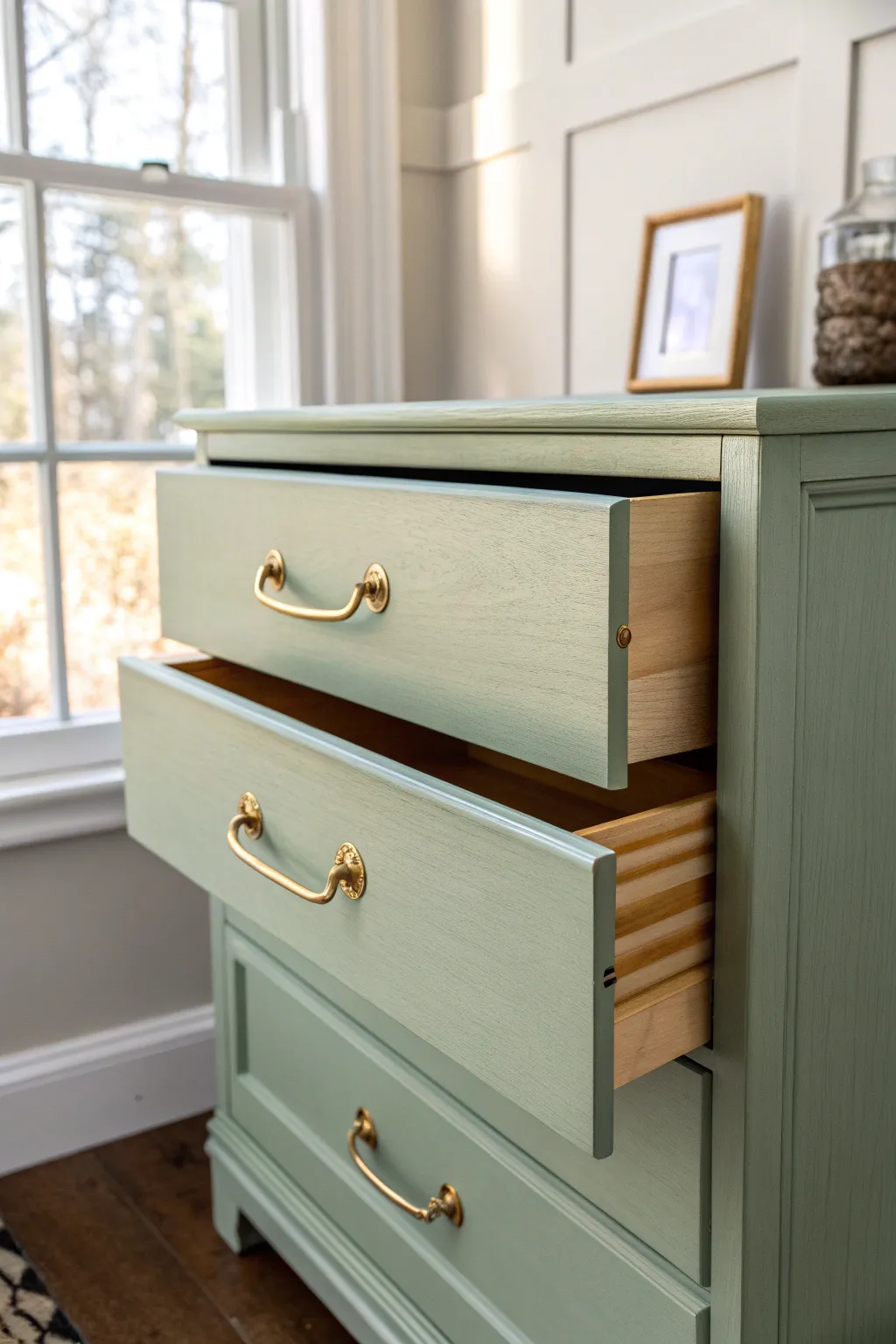
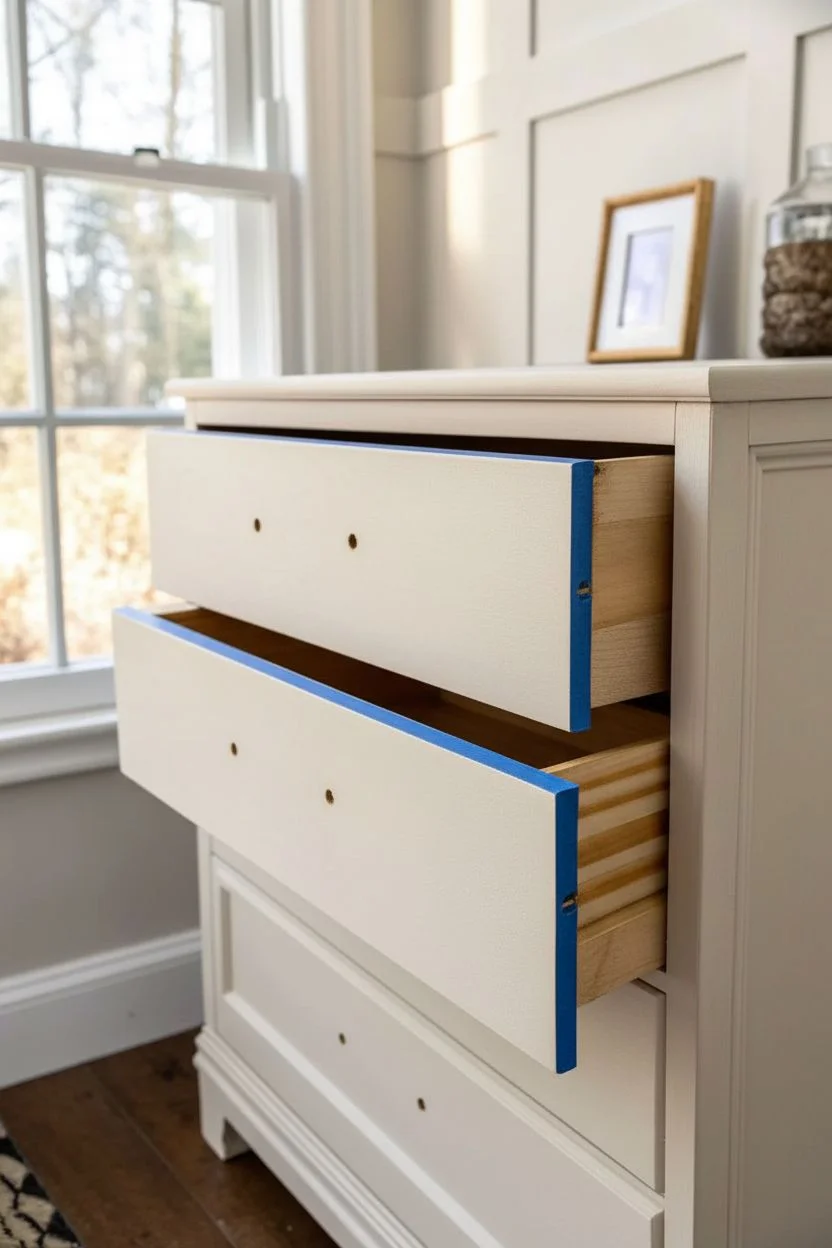
Transform a tired wooden dresser into a serene bedroom focal point with this elegant sage green finish and classic brass hardware update. The combination of the muted, earthy paint color with the warmth of gold pulls creates a sophisticated look that feels both vintage and fresh.
Step-by-Step Guide
Materials
- Solid wood dresser
- Deglosser or sanding sponges (120 and 220 grit)
- Painter’s tape
- High-quality bonding primer
- Sage green acrylic latex paint (eggshell or satin finish)
- 2-inch angled sash brush (synthetic bristles)
- 4-inch foam roller for cabinets
- New brass bail-pull hardware (measured to fit existing holes)
- Screwdriver
- Clean lint-free cloths
- Wood filler (optional)
- Mild dish soap and water
Step 1: Preparation
-
Hardware removal:
Begin by removing all the drawers from the dresser body. Use a screwdriver to carefully detach the old knobs or pulls. Keep the screws in a baggie if you plan to reuse them, but for this look, we are swapping them out entirely. -
Clean surfaces:
Wipe down the entire piece with mild dish soap and warm water to remove dust and oils. If the piece has a wax finish, use a dedicated degreaser or mineral spirits to ensure the new paint will adhere properly. -
Scuff sanding:
Use a 120-grit sanding sponge to lightly scuff all exterior surfaces. You aren’t trying to remove the old finish completely, just creating a ‘tooth’ for the primer to grab onto. Wipe away all sanding dust with a damp cloth. -
Protecting the interior:
Apply painter’s tape along the inner edges of the drawer fronts. We want to keep the drawer boxes natural wood, just like in the inspiration image, to create a beautiful contrast when they are opened.
Sticky Drawers?
If drawers stick after painting, sand the painted edges slightly where friction occurs. Apply candle wax or specialized drawer lubricant to the wooden runners for a smooth glide.
Step 2: Priming and Painting
-
Applying primer:
Coat the dresser frame and drawer fronts with a bonding primer. Use the angled brush to get into corners and detailed molding, then smooth out flat areas with the foam roller to minimize brush strokes. -
Light sanding:
Once the primer is fully dry, run a 220-grit sanding sponge very lightly over the surface. This knocks down any raised grain or fuzz. Wipe it clean with a tack cloth or damp rag. -
First coat of paint:
Stir your sage green paint thoroughly. Begin painting the detailed molding on the drawer fronts and the corners of the dresser body using your angled sash brush. -
Rolling the flats:
While the brushed edges are still wet, use the foam roller to paint the flat surfaces of the drawers and the sides of the dresser. This ‘wet edge’ technique helps blend the textures seamlessly. -
Drying time:
Allow the first coat to dry according to the manufacturer’s instructions. I usually like to let it sit for at least four hours to ensure it’s durable enough for the next layer. -
Second coat:
Apply a second coat using the same method: brush the details, then roll the flat areas. This deepens the color and provides that rich, opaque finish seen in the photo. -
Checking coverage:
Inspect the piece in good lighting. If you see any uneven patches, a light third coat might be necessary, but usually, two good coats cover well over primer.
Step 3: Finishing Touches
-
Removing tape:
Carefully peel off the painter’s tape while the final coat is still slightly tacky. Pulling it away at a 45-degree angle helps prevent the paint from peeling up with the tape. -
Curing:
Let the dresser cure for at least 24 to 48 hours before handling it heavily. Paint takes time to harden, and you don’t want to dent the finish while installing hardware. -
Hardware installation:
Align your new brass bail-pull hardware with the original holes. Insert the screws from the inside of the drawer and tighten them into the new handle. Ensure the bail (the moving handle part) swings freely without scratching the paint. -
Reassembly:
Once the hardware is secure, slide the drawers back into their tracks. If the painted edges make the fit tight, you can rub a little candle wax on the wooden runners to help them glide smoothly.
Style Upgrade
Line the drawer interiors with a botanical print wallpaper or scented liner. It adds a hidden pop of pattern that complements the sage green exterior beautifully.
Step back and admire how a splash of color and shining brass have completely reinvented your furniture piece
Light Distressing for Cottage-Style Nightstands
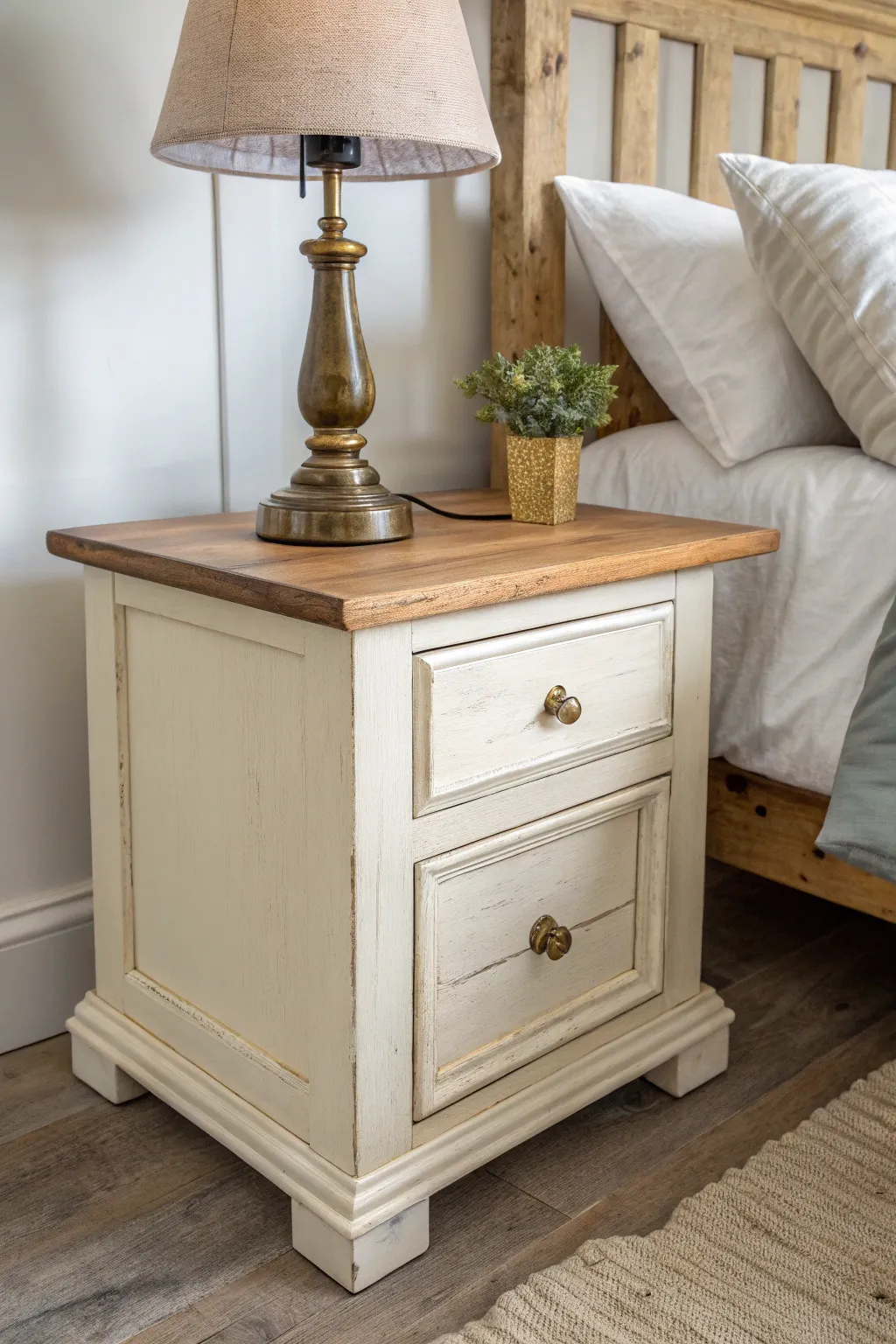
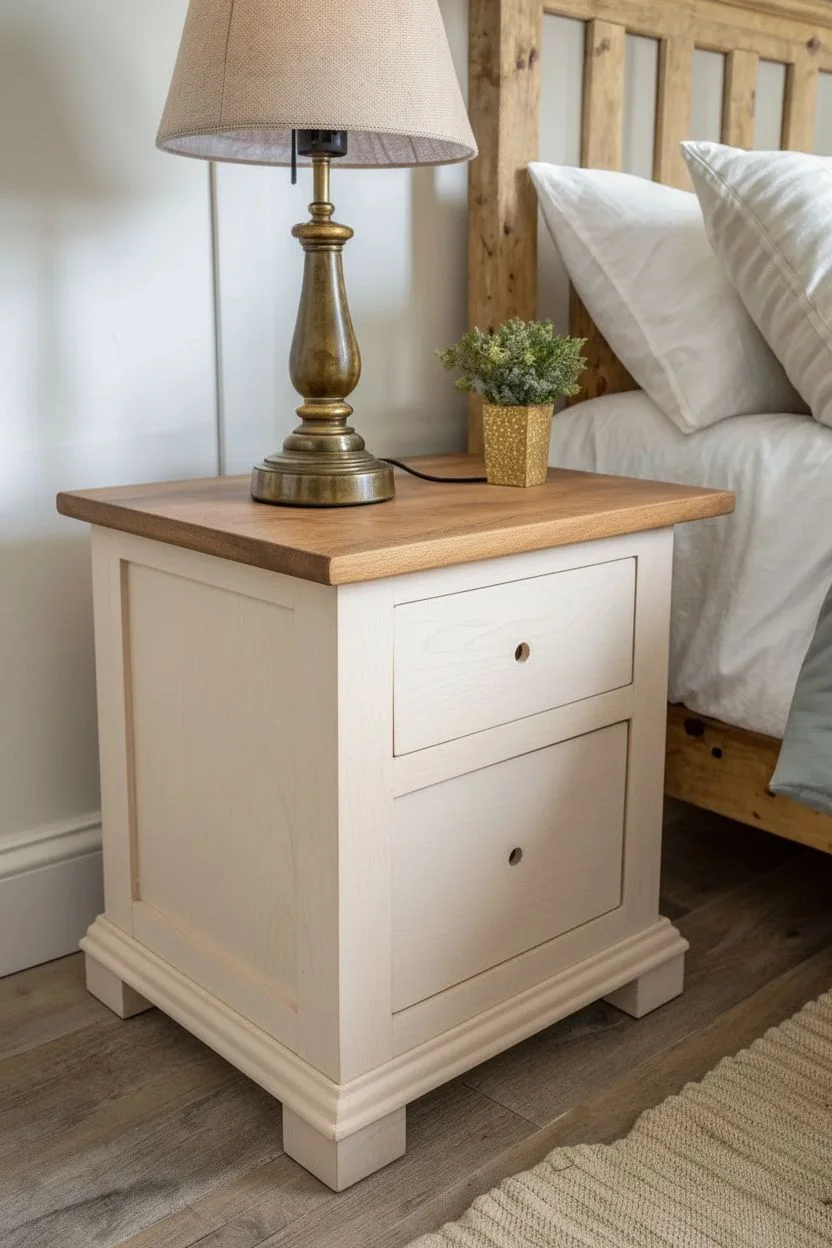
Transform a plain nightstand into a cozy, rustic feature piece with this two-tone distressing technique. By combining a natural wood top with a creamy, time-worn painted base, you create a look that feels both classic and inviting.
Step-by-Step
Materials
- Wooden nightstand (raw or stripped)
- Medium grit sandpaper (120-grit)
- Fine grit sandpaper (220-grit)
- Wood stain (medium oak or walnut)
- Clean lint-free rags
- Cream or off-white chalk paint
- Paintbrush (synthetic bristle)
- Candle wax or beeswax puck
- Clear furniture wax
- Dark antique wax
- Wax brush or soft cloth
- Tack cloth
- Antique brass hardware
Step 1: Preparing the Top
-
Remove hardware:
Begin by removing all existing knobs, handles, and drawer pulls. Set the drawers aside for easier handling later. -
Sand the surface:
Sand the entire nightstand using 120-grit sandpaper to remove any existing glossy finish or rough spots. Pay special attention to the top surface, sanding it down to bare wood if you plan to stain it. -
Clean the dust:
Wipe away all sawdust with a tack cloth or a slightly damp rag to ensure a clean surface for staining and painting. -
Apply stain to the top:
Using a clean lint-free rag, apply a generous coat of wood stain to the top surface only. Work in the direction of the wood grain. -
Wipe excess stain:
After letting the stain penetrate for about 5-10 minutes, wipe away any excess with a clean cloth. This reveals the beautiful wood grain without making the color too opaque. -
Dry completely:
Allow the stained top to dry according to the manufacturer’s instructions, usually overnight, before moving on to the painting phase.
Natural Resist Trick
Use a clear household candle or swipe a bar of soap on edges before painting. The paint won’t stick there, making distressing effortless with zero heavy sanding needed.
Step 2: Painting and Distressing
-
Apply the wax resist:
Take a candle or beeswax puck and rub it firmly along the edges, corners, and raised details of the nightstand base and drawer fronts. This “resist” technique will make the paint flake off naturally in these areas later. -
Paint the first coat:
Apply a coat of cream or off-white chalk paint to the base and drawer fronts. Don’t worry about complete coverage here; a little unevenness adds character. -
Let it dry:
Allow the first coat of paint to dry completely. Chalk paint dries relatively quickly, usually within an hour. -
Apply second coat:
Paint a second coat for better coverage, ensuring the main flat surfaces look solid and creamy. Avoid painting the stained top. -
Distress the edges:
Once the paint is dry, use 220-grit sandpaper to gently sand the areas where you applied the wax. I like to focus on the corners and edges where natural wear would occur; the paint should lift easily to reveal the wood underneath. -
Clean up dust:
Wipe down the painted areas with a tack cloth to remove all sanding dust.
Step 3: Sealing and Finishing
-
Apply clear wax:
Using a wax brush or soft cloth, massage a layer of clear furniture wax over the entire painted surface. This seals the paint and provides a smooth finish. -
Add dimension with dark wax:
Dip your brush lightly into dark antique wax. Apply it sparingly into crevices, corners, and brush stroke grooves to create depth and an aged patina. -
Buff the finish:
After the wax has set for about 15 minutes, buff the surface vigorously with a clean, soft cloth to create a subtle sheen. -
Reinstall hardware:
Attach your antique brass knobs to the drawers. The warm metal tones will perfectly complement the stained wood top. -
Final assembly:
Slide the drawers back into place and admire your newly refreshed, cottage-style nightstand.
Stain Bleed-Through?
If pink or yellow tannis bleed through your cream paint, stop sanding. Apply a coat of shellac-based primer (like BIN) over the spots, let dry, then repaint the area.
Enjoy the timeless warmth and character this beautifully distressed piece brings to your bedroom sanctuary
Color-Blocked Drawer Fronts on a Bedroom Dresser
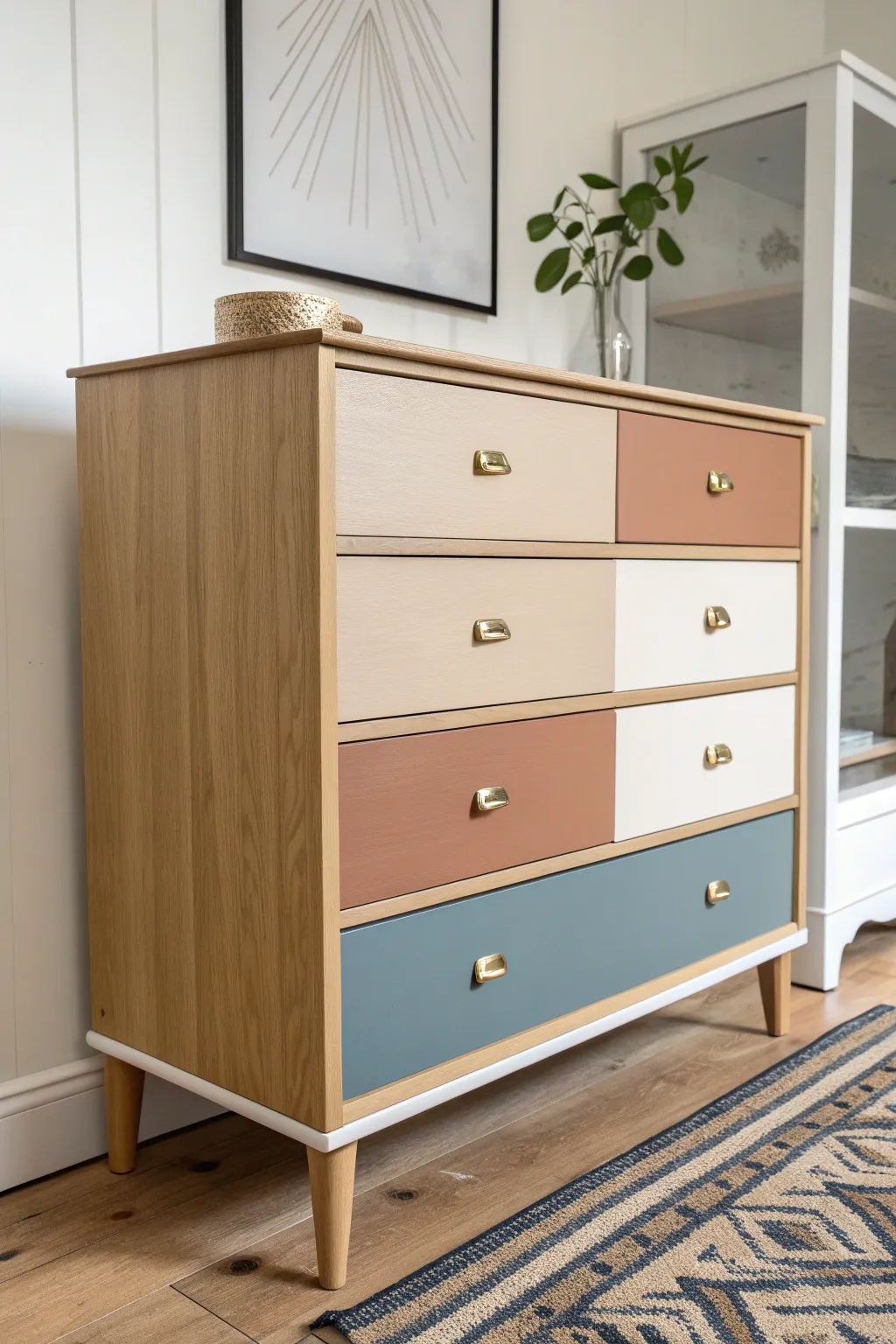
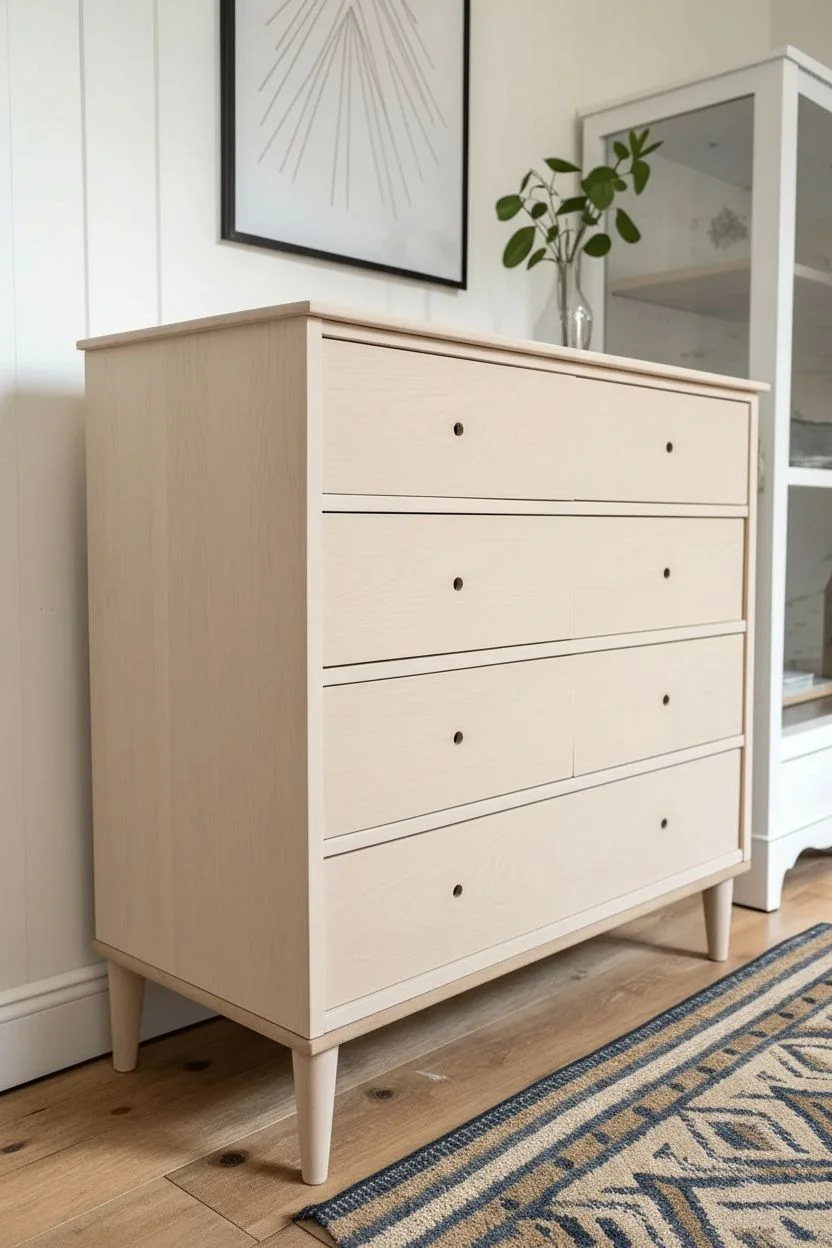
Transform a plain wooden dresser into a modern statement piece with this clever color-blocking technique. The combination of natural wood tones with calming blues, terracottas, and creams creates a sophisticated yet playful look perfect for any bedroom.
How-To Guide
Materials
- Wooden dresser (raw or sanded to bare wood)
- Painter’s tape (high quality)
- Sandpaper (120 and 220 grit)
- Primer suitable for wood
- Paint colors: Cream, Soft Terracotta, Muted Blue-Grey
- White paint (for the base trim)
- Clear matte polyurethane topcoat
- Small foam roller
- Synthetic angled brush (2-inch)
- Gold drawer pulls (half-moon style)
- Screwdriver
- Drop cloth
- Tack cloth
Step 1: Preparation
-
Remove Hardware:
Begin by removing all drawers from the dresser unit. Use a screwdriver to detach existing handles or knobs from the drawer fronts and set aside the hardware safely if you plan to reuse screws. -
Clean Surfaces:
Wipe down the entire dresser with a damp cloth and mild cleaner to remove any dust, grime, or oils that could interfere with paint adhesion. -
Sand the Drawers:
Using 120-grit sandpaper, thoroughly sand the drawer fronts to remove any old finish or shine. Follow up with 220-grit for a smooth base. Wipe away all dust using a tack cloth. -
Prep the Body:
If you are keeping the main body natural wood like in the photo, give it a light sanding with 220-grit paper to prep it for a fresh clear coat. Sand the bottom skirt frame more aggressively as this will be painted white.
Fixing Bleeds
If paint bleeds under the tape, wait for it to dry fully. Then, create a straight edge with tape again and touch up with the original base color using a tiny artist’s brush.
Step 2: Painting the Structure
-
Tape the Base:
Carefully apply painter’s tape to the wooden legs just below the bottom frame skirt. Tape off the main wooden body just above this bottom skirt line to isolate the area that will be painted white. -
Paint the Trim:
Apply a coat of primer to the bottom wooden frame. Let it dry, then apply 2-3 coats of crisp white paint using a small brush for precision. I find thin coats prevent drips here. -
Seal the Wood Body:
While the white trim dries, apply a protective layer of clear matte polyurethane to the main wooden casing and legs to seal the natural grain. Let this cure fully.
Step 3: The Color Blocking
-
Prime Drawer Fronts:
Apply a high-quality primer to all drawer fronts. If your wood is dark and you are using light cream paint, a second coat of primer might be necessary to prevent bleed-through. -
Plan Your Palette:
Map out your colors. The top drawer uses cream on the left and terracotta on the right. The middle row reverses this or introduces a third tone. The bottom drawer is a single solid color (blue-grey) spanning the width. -
Paint Solid Drawers:
Start with the easy win: paint the large bottom drawer front entirely in your Muted Blue-Grey. Use a foam roller for the smoothest, brush-stroke-free finish. -
Paint First Block sections:
For the split-color drawers, paint the entire face with your lightest color (Cream) first. Don’t worry about the split line yet; just cover the whole front and let it dry completely. -
Tape the Split Line:
Once the cream base is fully cured (give it at least 24 hours), measure the midpoint of the drawer. Apply painter’s tape vertically to mask off the side that will remain cream. -
Seal the Tape Edge:
To get a razor-sharp line, brush a tiny amount of the cream paint over the edge of the tape. This seals any gaps so the next color won’t bleed under. -
Apply Accent Colors:
Paint the exposed section with your second color (Terracotta). Apply two coats if needed for full opacity. -
Remove Tape:
Peel off the painter’s tape while the final coat of terracotta is still slightly wet. Pull the tape away at a 45-degree angle for the cleanest edge.
Add Texture
Swap the plain paint for chalk paint and distress the edges slightly with sandpaper before sealing for a softer, vintage mid-century vibe.
Step 4: Assembly
-
Clear Coat:
Once all paint is bone dry, apply a final layer of clear matte polyurethane over the painted drawer fronts to protect them from scratches and daily wear. -
Install Hardware:
Reattach your gold half-moon pulls. Center them carefully on each color block section to maintain visual balance. -
Reinsert Drawers:
Slide the drawers back into the unit, ensuring the color pattern matches your original plan. Step back and check for any touch-ups needed.
Now you have a custom piece of furniture that brings a fresh pop of color to your space
Geometric Stenciled Drawers for a Custom Look
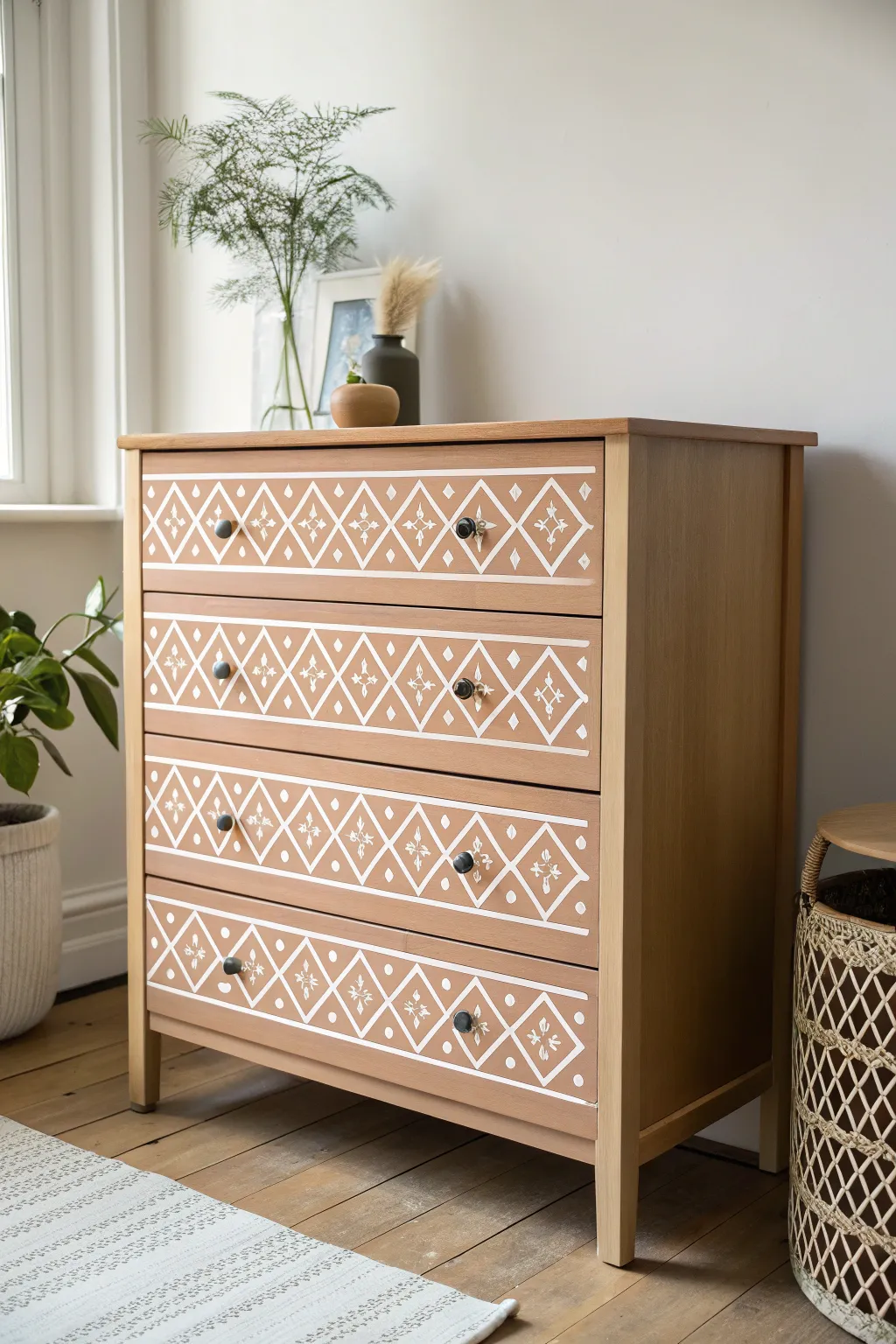
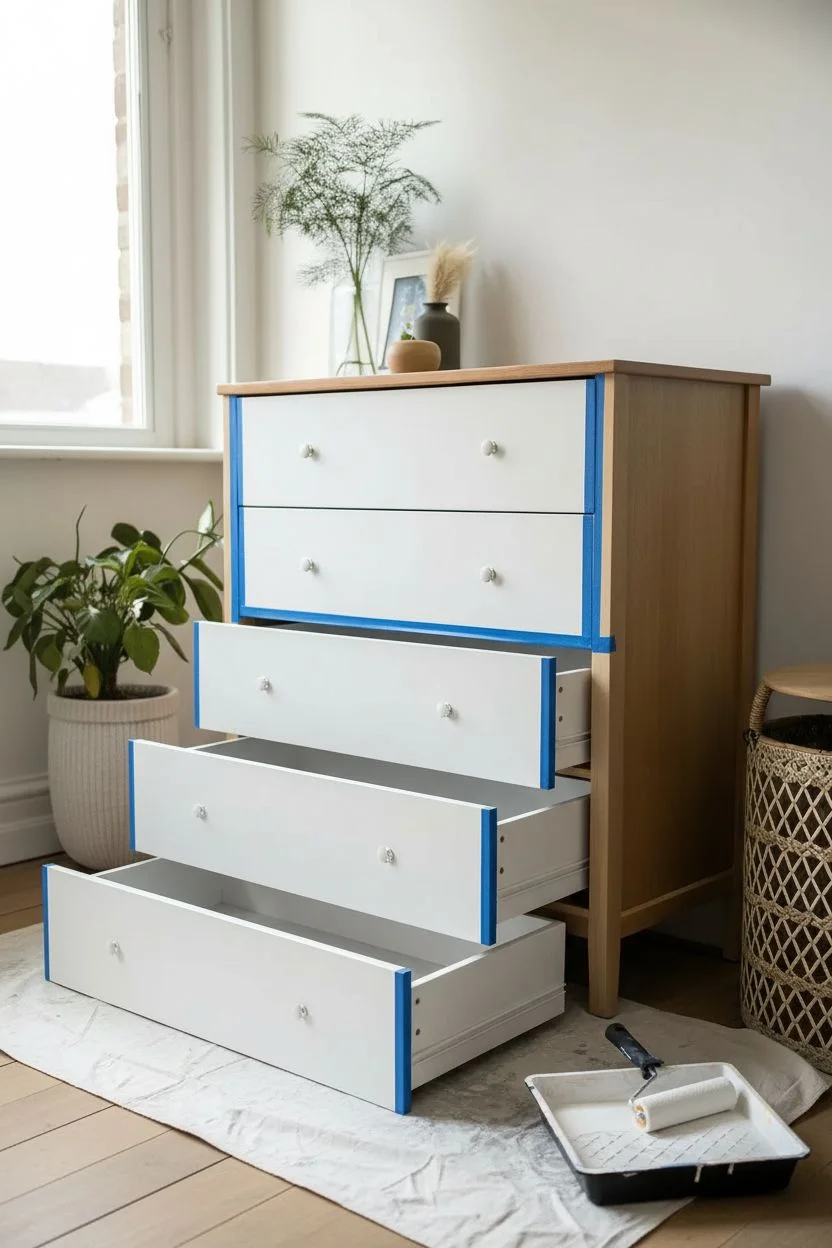
Transform a plain wooden dresser into a statement piece with this warm, bohemian-inspired design. By combining soft terracotta paint with intricate white geometric stenciling, you can achieve a custom look that feels both modern and handcrafted.
Detailed Instructions
Materials
- Wooden dresser (raw or sanded down)
- Sanding block or sandpaper (120 and 220 grit)
- Painter’s tape
- Primer suitable for wood
- Terracotta or warm clay chalk paint
- White chalk paint or acrylic craft paint
- Geometric stencil (diamond pattern)
- Stencil brush or high-density foam roller
- Small foam roller (for base coat)
- Matte clear topcoat (polycrylic)
- New drawer pulls (optional)
Step 1: Prep and Prime
-
Remove Hardware:
Begin by removing all the drawers from the dresser frame and unscrewing the existing knobs or pulls. Place the hardware in a baggie if you plan to reuse it. -
Clean Surfaces:
Wipe down the entire dresser with a damp cloth and mild degreaser to remove dust and oils, ensuring a clean bonding surface. -
Sand the Drawers:
Lightly sand the drawer fronts with 120-grit sandpaper to scuff the surface. If the dresser frame is already the desired natural wood tone, you only need to focus on the drawer fronts for painting. -
Masking:
Use painter’s tape to meticulously mask off the side edges of the drawer fronts if you want to keep the dovetail joints or sides natural. Tape off the main dresser frame so no accidental paint transfers occur. -
Apply Primer:
Roll a thin coat of primer onto the drawer fronts. This step is crucial for blocking stains and ensuring that gorgeous terracotta color pops.
Less is More
To get crisp lines, offload 90% of the paint from your stencil brush onto a paper towel before touching the drawer. Dry brushing prevents bleeds.
Step 2: Applying the Base Color
-
First Coat:
Once the primer is dry, stir your terracotta chalk paint well. Apply the first coat using a small foam roller for a smooth finish without brush strokes. -
Light Sanding:
After the first coat dries completely, lightly run a fine-grit sanding sponge over the surface to knock down any bumps. -
Second Coat:
Apply a second coat of the terracotta paint for full, rich coverage. Let this dry for at least 24 hours before stenciling so the tape won’t peel it up later.
Step 3: Stenciling the Pattern
-
Position the Stencil:
Determine the center of your drawer front and mark it lightly with a pencil. Align the center of your geometric diamond stencil with this mark to ensure the pattern is symmetrical. -
Secure the Stencil:
Use painter’s tape or a light spray adhesive to hold the stencil firmly in place. It must be flush against the wood to prevent bleeding. -
Load the Brush:
Dip your stencil brush or foam pouncer into the white paint, then offload almost all of it onto a paper towel. The brush should feel almost dry to the touch. -
Stippling Motion:
Apply the paint using a vertical dabbing or stippling motion. Avoid sweeping strokes, which push paint under the stencil edges. -
Repeat the Pattern:
Carefully lift the stencil and reposition it to continue the pattern across the drawer. Use the previously painted elements as registration guides to keep your lines straight. -
Edging:
Use a small artist’s brush to carefully touch up the pattern near the edges of the drawer where the stencil might not fit perfectly. -
Finish All Drawers:
Repeat this process for all four drawers, ensuring the pattern direction and spacing remain consistent from top to bottom.
Distressed Detail
For a vintage vibe, lightly sand over the dried white stencil pattern with 220-grit paper to fade the design slightly before sealing.
Step 4: Sealing and Assembly
-
Apply Topcoat:
Once the stencil work is fully cured, apply 2-3 coats of a matte clear polycrylic sealer. This protects your hard work from scratches and everyday wear. -
Sand Between Coats:
For a professional feel, I always do a very light sanding with high-grit paper between the sealer coats. -
Reattach Hardware:
Poke through any paint that covered the screw holes and reattach your knobs. Contrasting dark hardware looks excellent against the terracotta. -
Final Assembly:
Slide the drawers back into the frame and step back to admire your new custom furniture piece.
Now you have a stunning, bespoke piece of furniture that brings warmth and pattern into your room
Ombre Dresser Gradient That Feels Like Art
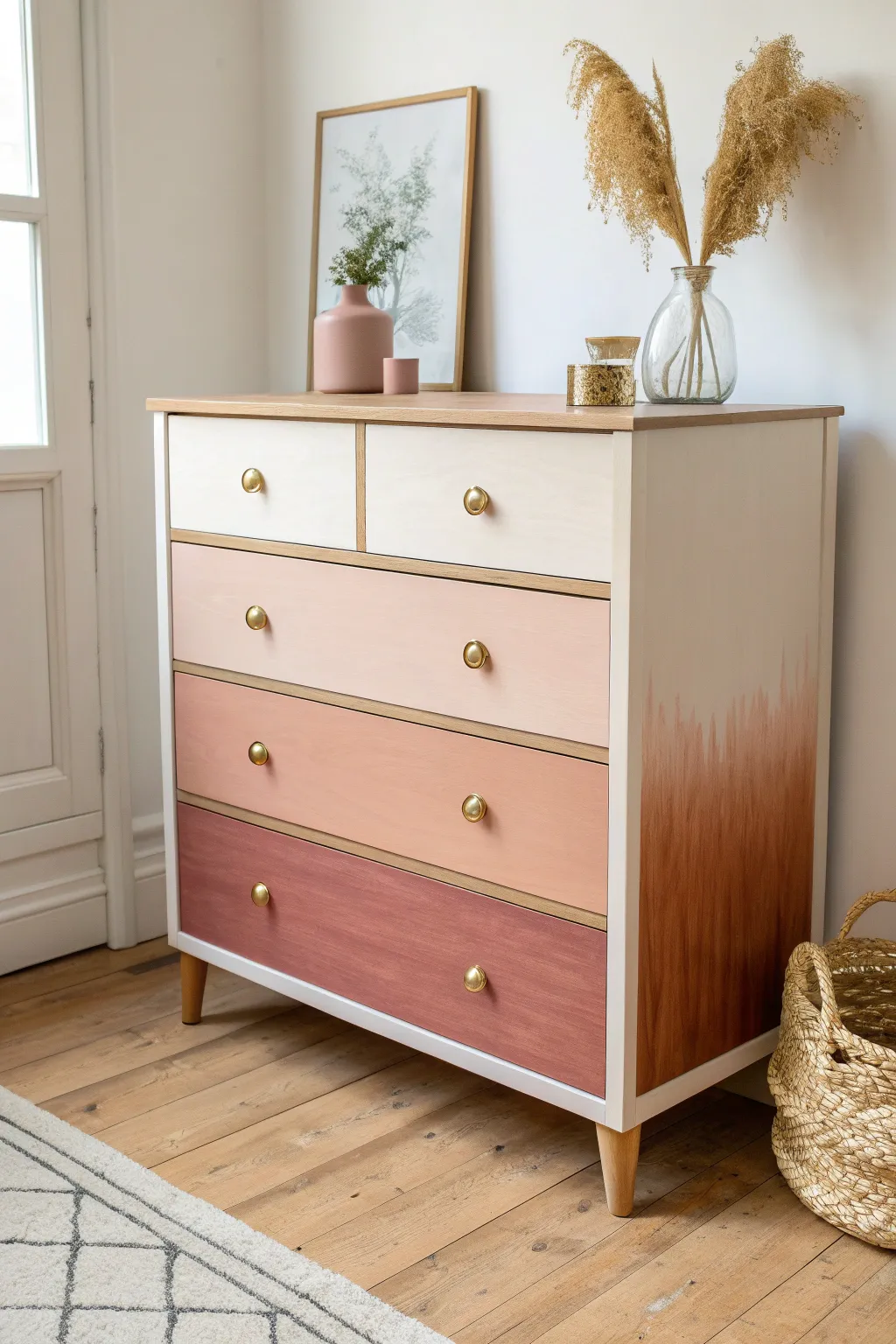
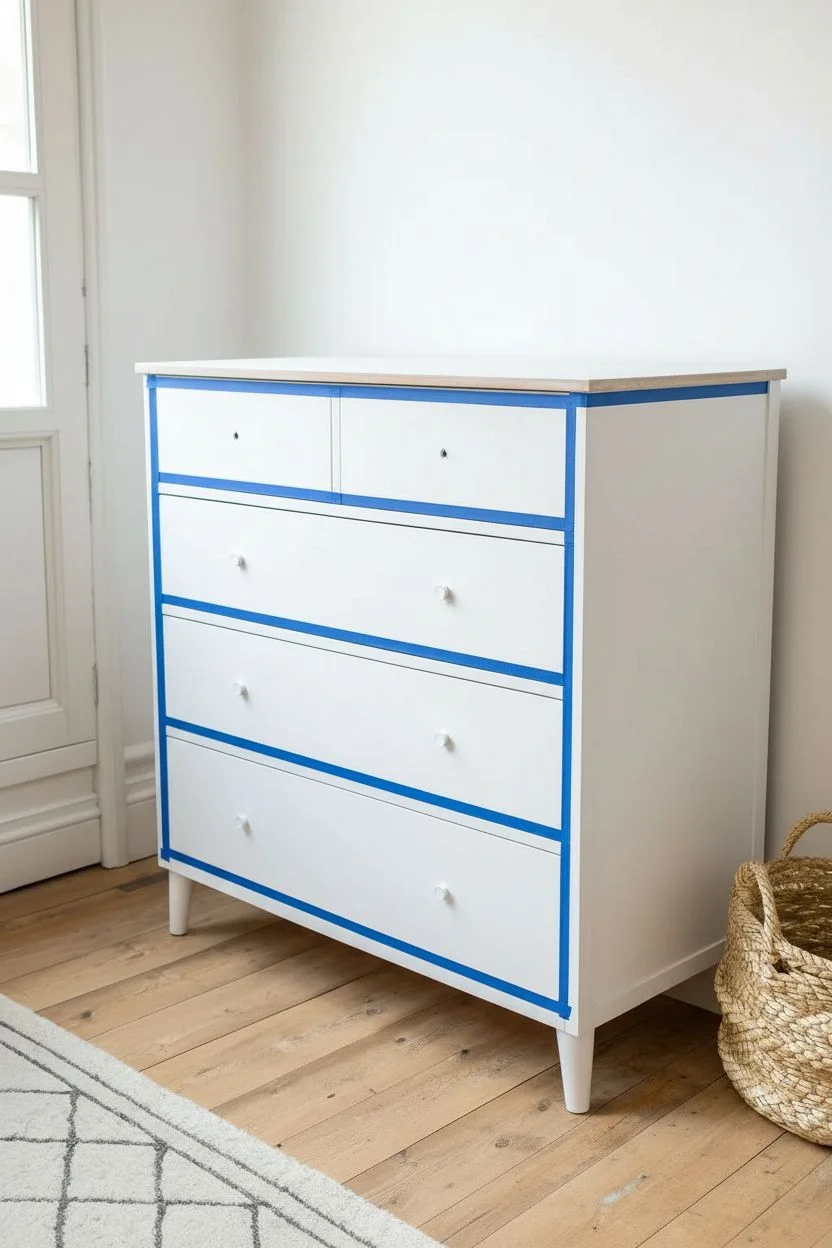
Transform a plain chest of drawers into a breathtaking statement piece with this warm, sunset-inspired gradient. By blending creamy whites into dusty pinks and deep terracottas, you’ll create a piece of furniture that feels more like a work of art than simple storage.
Step-by-Step
Materials
- Wooden dresser (raw or sanded)
- Sandpaper (120 and 220 grit)
- Masking tape or painter’s tape
- Primer (suitable for wood)
- Chalk paint or matte furniture paint in 3 colors: Cream White, Dusty Rose, and Deep Terracotta
- Wide flat paintbrush (2-inch)
- Medium blending brush (round or oval)
- Small detail brush
- Clear matte furniture wax or polycrylic sealer
- Gold or brass knobs (8 pieces)
- Clean lint-free rags
- Drop cloth
- Screwdriver
Step 1: Preparation
-
Remove Hardware:
Begin by removing all the old knobs and handles from the drawers using your screwdriver. Store them safely if you plan to reuse them, though new hardware often elevates the look. -
Clean and Sand:
Pull the drawers out of the frame. Sand the entire piece—both the frame and the drawer fronts—using 120-grit sandpaper to remove any old finish or shine. Wipe away all dust with a damp rag. -
Protect Edges:
Use painter’s tape to carefully mask off the top wooden surface if you want to keep that natural wood look shown in the photo. Also tape off the thin wooden dividers between the drawers to keep them raw and natural. -
Prime the Surface:
Apply a coat of primer to the drawer fronts and the sides of the dresser frame. This ensures your gradient colors will pop and adhere correctly. Let this dry completely according to the can’s instructions.
Step 2: Painting the Gradient Drawers
-
Mix Your Mid-Tones:
Prepare a fourth color by mixing a small amount of your Cream White with the Dusty Rose. This will act as a bridge color for a smoother transition. Do the same by mixing a little Dusty Rose into the Deep Terracotta. -
Paint the Top Drawers:
Paint the top two small drawers in solid Cream White. Use smooth, horizontal strokes for a clean finish. -
Paint the Middle Drawer:
Apply the Dusty Rose paint to the second drawer down. Ensure the coverage is solid and opaque. -
Paint the Transition Drawer:
For the third drawer, use a mix of Dusty Rose and your Deep Terracotta. This step is crucial for the ombre effect, preventing a harsh jump in color. -
Paint the Bottom Drawer:
Paint the large bottom drawer with the pure Deep Terracotta shade. This grounds the piece with the darkest visual weight.
Wet Brush Trick
Keep a misting spray bottle of water nearby. Lightly mist your brush (not the furniture) when blending the side gradient to keep the acrylics pliable longer.
Step 3: Creating the Artistic Side Panel
-
Base Coat the Side:
Paint the upper two-thirds of the side panel with your Cream White paint. It doesn’t need to be perfect at the bottom edge. -
Apply the Dark Base:
Paint the bottom third of the side panel with the Deep Terracotta. While the paint is still wet, bring the color upwards towards the white section. -
Feathering the Colors:
Dip a dry brush lightly into the Deep Terracotta. Using upward, flicking motions, drag the dark paint up into the white area. Vary the height of your strokes to mimic the organic ‘flame’ look in the photo. -
Blending the Transition:
While the paint is still tacky, use a clean, dry blending brush to soften the edges where the strokes meet the white background. I find that lightly tapping the brush can help create that misty, diffused texture. -
Second Layer:
Once the first pass is dry, add a few more defined strokes of the darkest color at the very bottom to add depth and dimension to the gradient.
Textured Touch
Mix a teaspoon of baking powder into your terracotta paint for the bottom drawer. It creates a subtle, grainy texture that mimics real clay pottery.
Step 4: Finishing Touches
-
Remove Tape:
Carefully peel away all the painter’s tape. If any paint bled onto the natural wood dividers, lightly sand it away with 220-grit paper. -
Seal the piece:
Apply clear matte furniture wax or a polycrylic sealer over all painted surfaces and the exposed raw wood. This protects the finish from scratches and water damage. -
Buff to a Sheen:
If using wax, let it cure for about an hour, then buff it vigorously with a lint-free cloth to create a subtle, silky sheen. -
Install Hardware:
Measure and mark the center points for your new knobs. Attach the gold or brass knobs to complete the elegant look.
Step back and admire how the warm gradient brings a calm, sunrise energy to your room
Hidden Surprise Color Inside Drawers and Cabinets
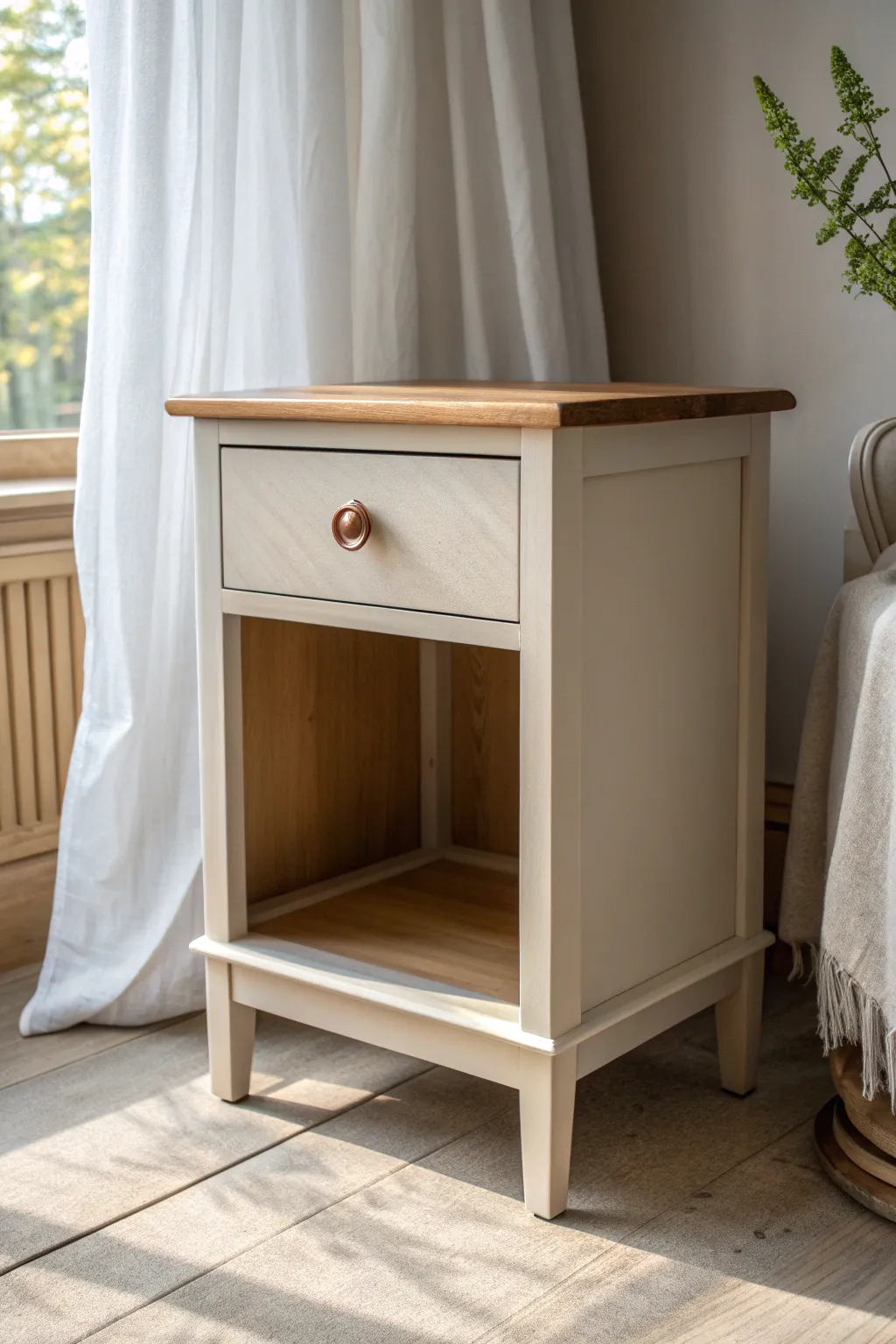
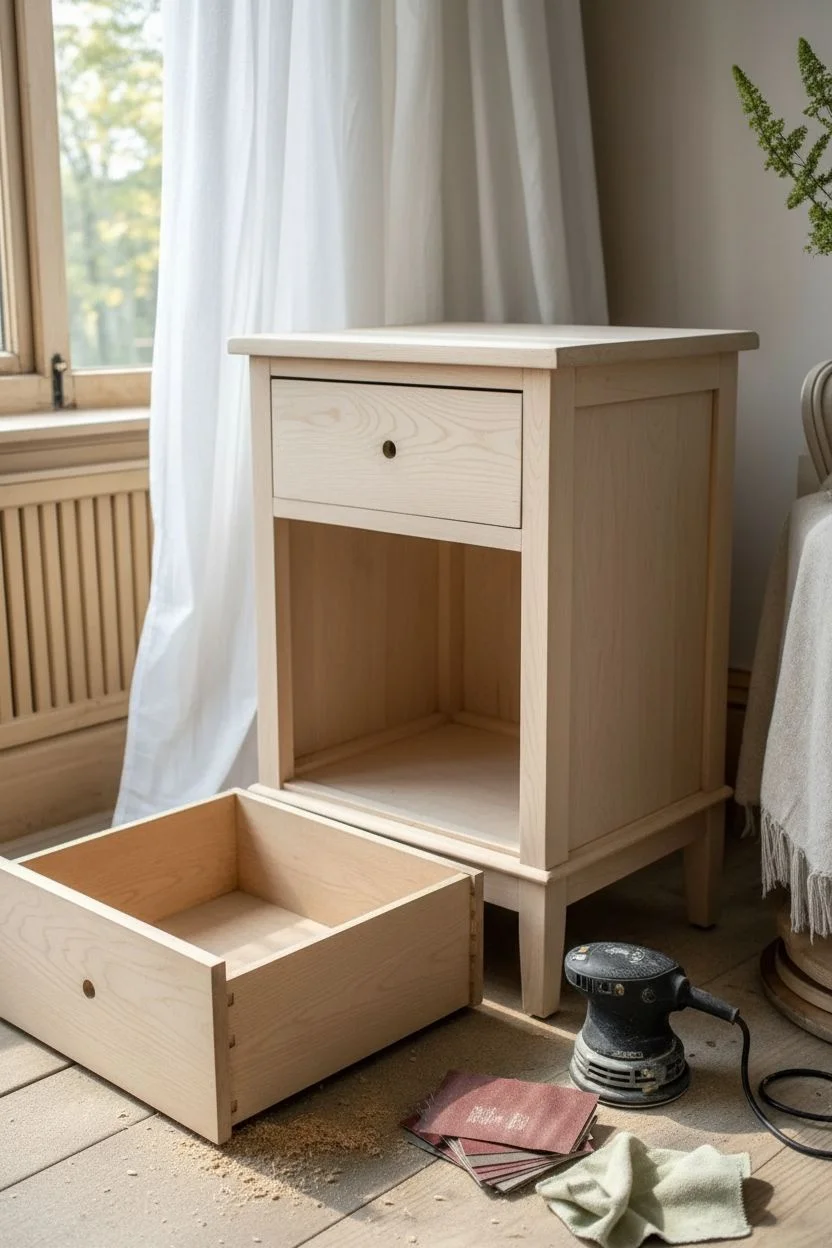
This project transforms a basic wooden nightstand into a charming two-tone piece that balances rustic warmth with clean, modern lines. By leaving the interior and top in natural wood while painting the exterior a soft cream, you create a sophisticated “hidden surprise” effect that draws the eye.
Step-by-Step Guide
Materials
- Unfinished wooden nightstand (or pre-finished one stripped down)
- Orbital sander
- Sandpaper (80, 120, and 220 grit)
- Tack cloth or microfiber rags
- Painter’s tape (high quality)
- Wood stain (Golden Oak or similar warm tone)
- Lint-free staining cloths
- Clear matte polyurethane topcoat
- Cream or off-white chalk styling paint
- High-quality synthetic bristle paintbrush (2-inch)
- Small angled sash brush
- Copper or bronze round drawer knob
- Screwdriver
- Drop cloth
Step 1: Preparation & Sanding
-
Hardware removal:
Begin by removing the drawer from the nightstand. Unscrew the existing knob and set it aside or discard it if you are replacing it. -
Initial heavy sanding:
Use an orbital sander with 80-grit sandpaper to remove any existing varnish or paint from the entire piece. Focus especially on the top surface and the interior cavity where you want the natural wood to shine. -
Smooth things out:
Switch to 120-grit sandpaper to smooth out the rough grain left by the coarser paper. Sand manually into the corners of the interior niche where the machine can’t reach. -
Final polish sanding:
Finish the sanding process with 220-grit sandpaper. This is crucial for the top and the interior shelf to ensure they accept the stain evenly without splotches. -
Dust removal:
Vacuum up the bulk of the sawdust, then wipe the entire piece down thoroughly with a tack cloth to capture fine particles.
Paint Bleed Panic?
If paint bled onto your stained wood, don’t panic. Wrap a detail sanding wedge in 220-grit paper and carefully sand the specific spot, then dab a tiny bit of stain on it with a artist’s brush.
Step 2: Staining & Sealing the Natural Wood
-
Tape off boundaries:
Apply painter’s tape to the front facing edges of the nightstand to protect the areas you intend to paint later, though precision isn’t critical yet as paint covers stain easily. -
Apply the stain:
Using a lint-free cloth, rub the wood stain into the top surface and the entire interior compartment. Work with the grain, wipe off excess after a few minutes, and let it dry completely according to the can’s instructions. -
Seal the stained areas:
Once the stain is dry, apply a coat of clear matte polyurethane to the stained top and interior. This protects the wood before you start painting the exterior. -
Sand between coats:
Lightly sand the clear coat with super-fine grit sandpaper once dry, wipe clean, and apply a second protective coat for durability.
Level Up: Drawer Liner
For an extra hidden surprise, line the bottom of the drawer interior with a patterned wallpaper or fabric that matches the cream exterior, tying the whole color scheme together visually.
Step 3: Painting the Exterior
-
Reverse taping:
This is the most critical step for crisp lines. Tape off the edges of the freshly stained and sealed interior, as well as the underside of the top lip. Press the tape edges down firmly to prevent bleed-through. -
First coat of paint:
Dip your synthetic brush into the cream chalk paint. Apply a thin, even coat to the exterior sides, legs, drawer front, and the face frame. Don’t worry about full opacity yet. -
Drying time:
Allow the first coat to dry for at least 2-4 hours. Chalk paint dries quickly, but rushing can cause the previous layer to pull up. -
Second coat application:
Apply a second coat of paint. Use long, smooth strokes from top to bottom on the legs and sides to minimize brush marks. I find a light hand here really helps level the paint. -
Detail work:
Use the small angled brush to carefully paint the narrow edges around the drawer opening and the feet. -
Remove tape:
While the final coat is still slightly tacky (not fully cured), carefully peel away the painter’s tape at a 45-degree angle to reveal crisp lines between the paint and natural wood.
Step 4: Finishing Touches
-
Seal the paint:
Apply a layer of clear matte polyurethane or wax over the painted sections to protect the finish from scuffs and moisture. -
Install the pull:
Attach the copper round knob to the center of the drawer front. Tighten the screw from the inside of the drawer. -
Reassemble:
Slide the drawer back into the nightstand tracks, ensuring it glides smoothly.
Now you have a custom piece that looks high-end and perfectly frames your favorite books or decor items
Painted Stripes That Mimic Inlay on Bedroom Furniture
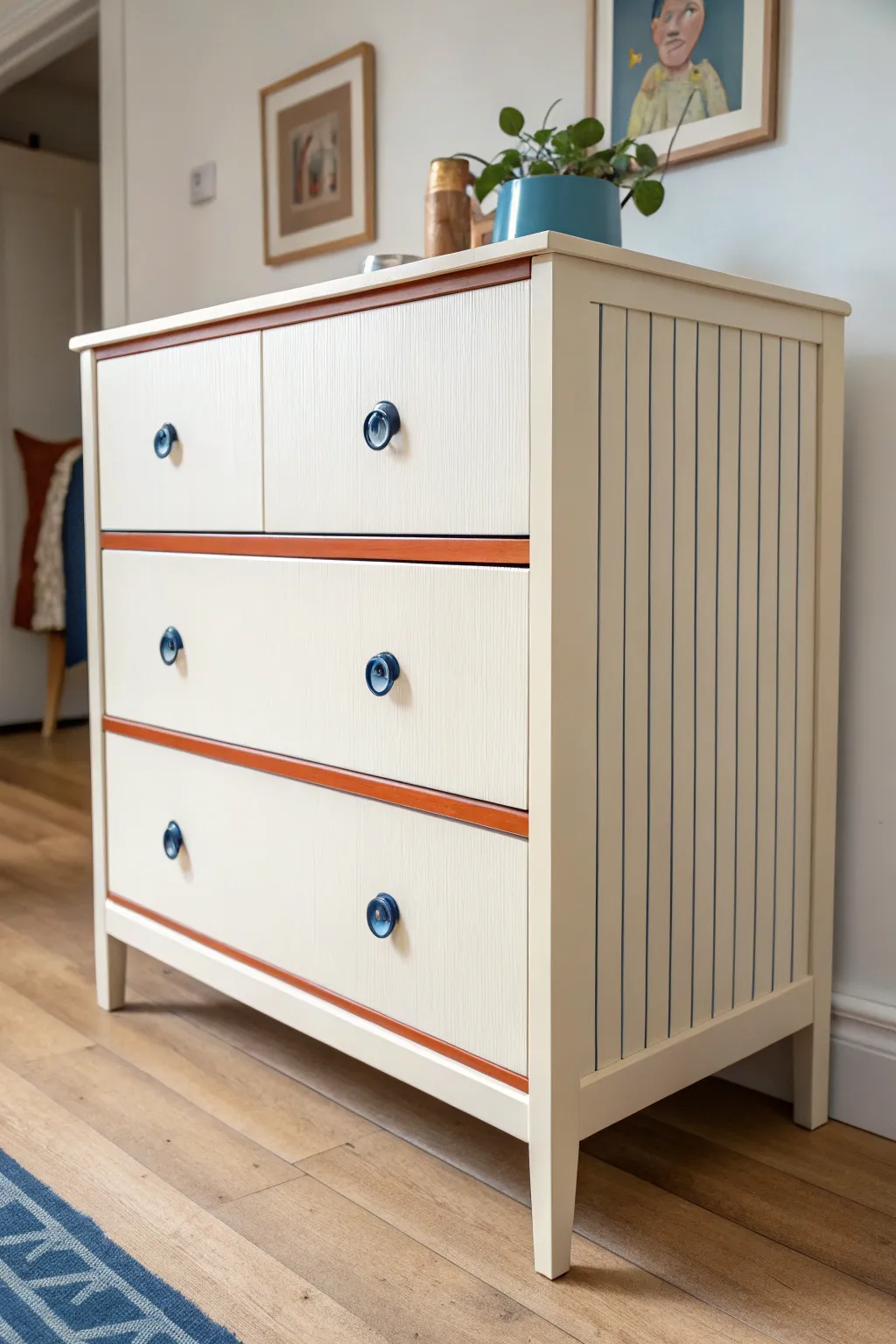
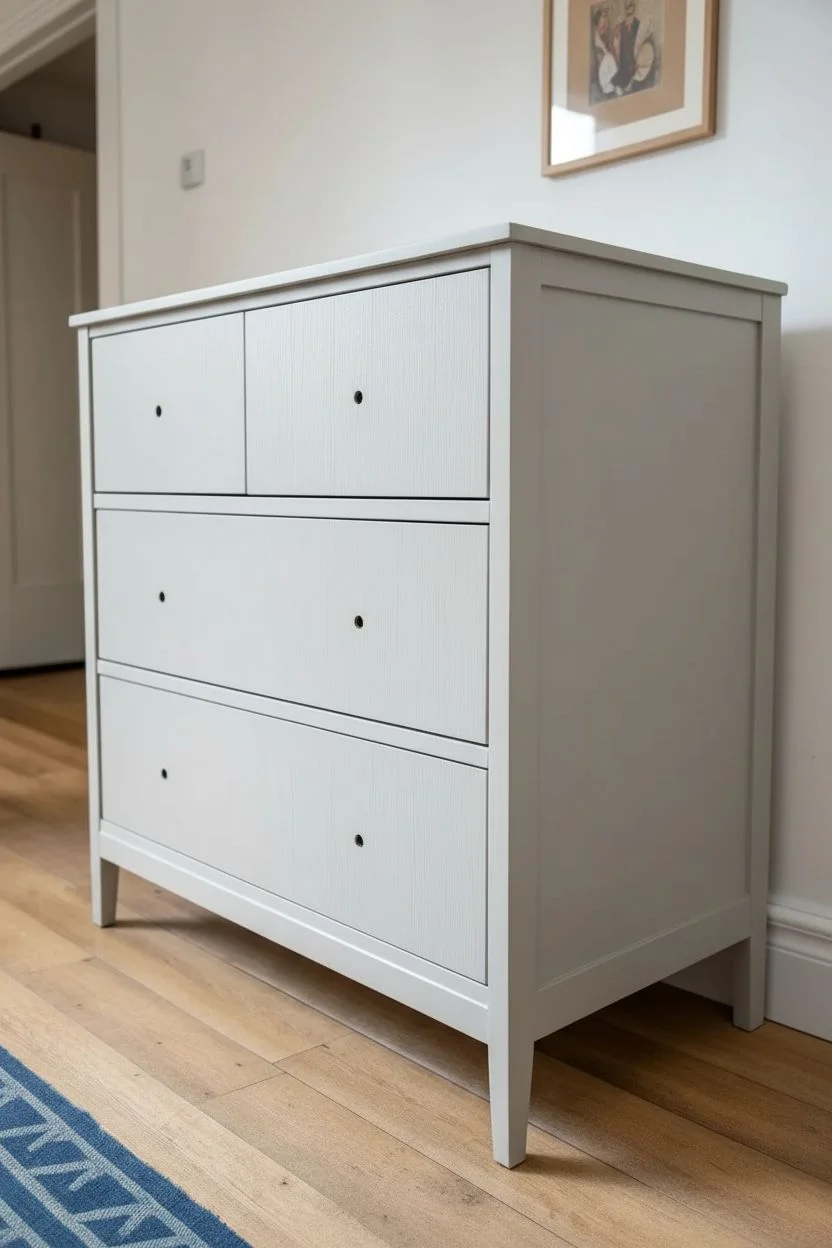
Transform a plain wooden dresser into a custom statement piece with this clever paint technique that mimics intricate inlay work. By using strategic taping and contrasting colors, you can achieve a textured, high-end look without any advanced woodworking skills.
Step-by-Step Tutorial
Materials
- Wooden dresser (raw or sanded)
- Sandpaper (120 and 220 grit)
- Tack cloth
- Primer (bonding primer recommended)
- Creamy off-white latex or chalk paint (base color)
- Terracotta or burnt orange paint (accent trim)
- Deep blue/navy paint or paint pen (for pinstripes)
- Painter’s tape (various widths)
- High-quality angled sash brush
- Small artist brush or liner brush
- Straight edge or ruler
- Pencil
- Clear matte polycrylic topcoat
- New hardware (ceramic blue knobs)
Step 1: Preparation
-
Remove hardware:
Begin by unscrewing and removing all existing knobs and drawer pulls. Store the screws in a baggie if you plan to reuse them or need to size match for new hardware. -
Clean and sand:
Give the entire dresser a good scrub with degreaser if it’s old, or a wipe down if it’s new. Scuff sand all surfaces with 120-grit sandpaper to give the paint distinct ‘teeth’ to adhere to. -
Dust off:
Wipe away all sanding residue thoroughly using a tack cloth. A clean surface is crucial for crisp lines later. -
Prime the surface:
Apply a coat of quality bonding primer to the entire piece. I like to let this dry overnight to ensure maximum durability, even if the can says it dries faster.
Tape Sealing Trick
Before painting your accent color, brush a tiny bit of the *base* color over the tape edge first. This seals the tape and ensures the colored line is perfectly crisp.
Step 2: Base and Trim
-
Paint the main body:
Apply two coats of your creamy off-white base paint to the drawer fronts, the top surface, and the side panels. Use a fine-grit sandpaper (220) lightly between coats for a smooth finish. -
Mask for the trim:
Once the white paint is fully cured (give it at least 24 hours), tape off the horizontal dividers between the drawers. You are isolating the thin strips of wood that separate the drawers. -
Paint the horizontal accents:
Apply your terracotta/burnt orange paint to these masked horizontal sections. You may need a small artist brush to get into the corners near the legs. -
Peel exposure:
Carefully peel back the tape while the orange paint is still slightly tacky to prevent it from pulling up dry chips of paint.
Step 3: The Faux-Inlay Stripes
-
Measure the side panels:
On the side of the dresser, measure the width of the recessed panel. Decide on your stripe spacing—about 1 to 1.5 inches apart usually looks balanced. -
Mark your guides:
Using a ruler and a light pencil touch, make small tick marks at the top and bottom of the side panel to guide your lines. -
Draw the vertical lines:
Use a straight edge to connect your tick marks. You can use a thin liner brush and deep blue paint for a hand-painted look, or a high-quality paint pen for easier control and precision. -
Steady your hand:
If painting by hand, rest your pinky finger on the surface as you glide the brush down to stabilize your stroke. Don’t worry about microscopic imperfections; they add character. -
Add detail to the top drawer:
Using the same technique, add very subtle vertical texture lines to the top drawers if desired, or keep them solid cream for contrast.
Go Geometric
Instead of vertical pinstripes, try a diagonal chevron pattern on the side panels or drawer fronts for a bolder, more modern geometric aesthetic.
Step 4: Finishing Touches
-
Seal the work:
Once all paint detail is completely dry, apply two thin coats of clear matte polycrylic. This protects those delicate pinstripes from getting scratched during daily use. -
Install hardware:
Attach your new ceramic blue knobs. The blue in the hardware ties the whole look together with the side stripes. -
Final cure:
Let the furniture cure for a few days before placing heavy items on top or sliding the drawers aggressively.
Now step back and admire how a simple paint job has given your furniture a bespoke, designer feel
Mismatched Pieces Unified With One Painted Color Story
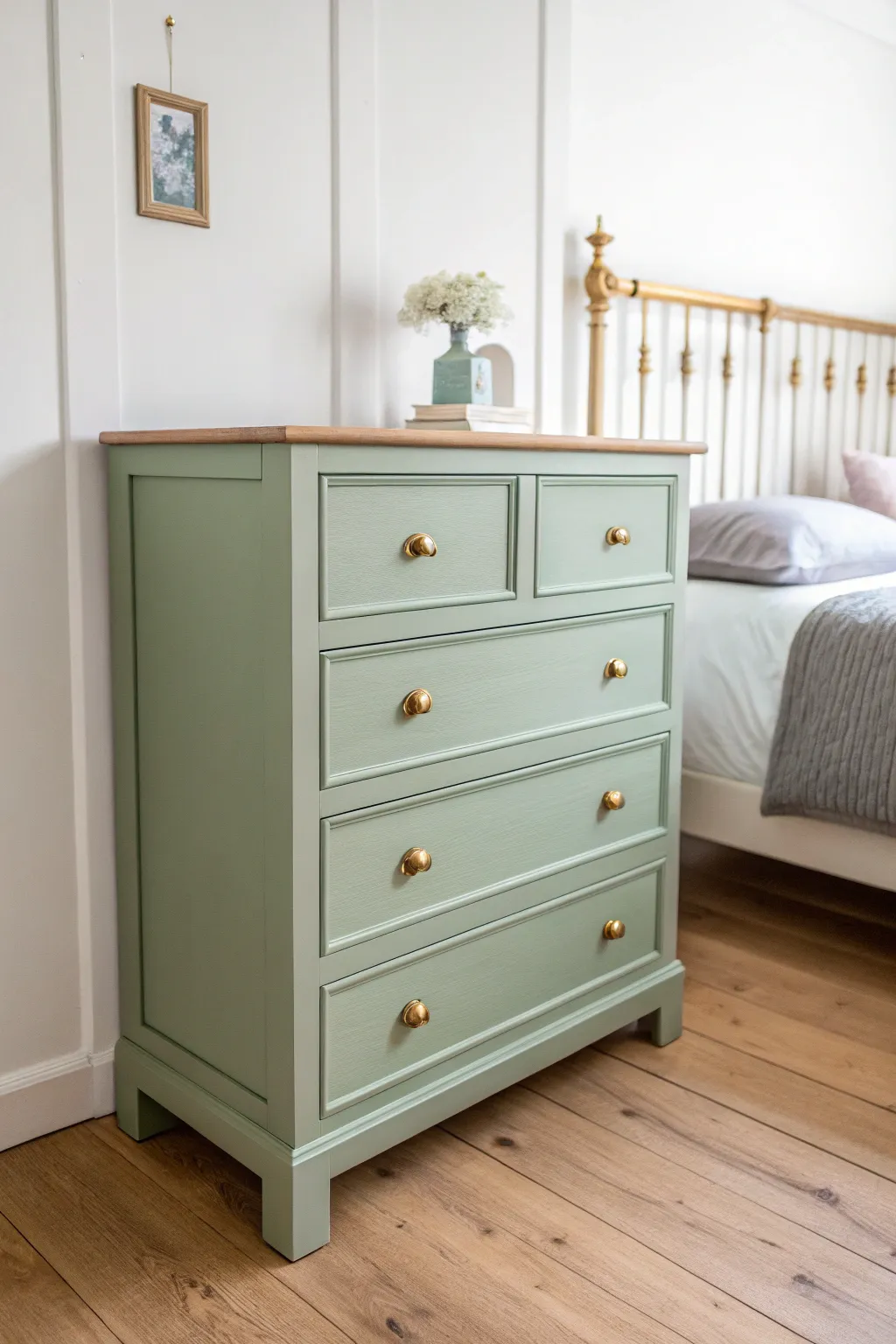
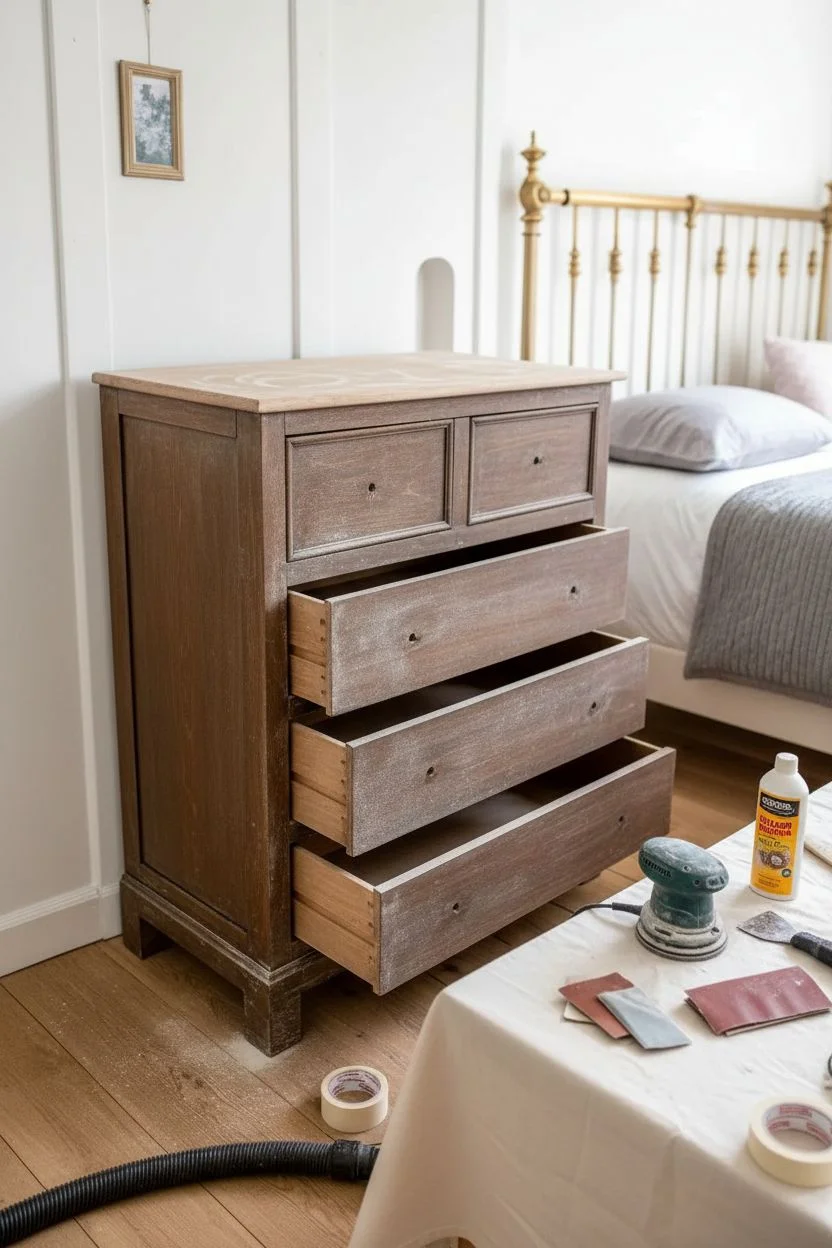
Transform a tired, mismatched dresser into a serene bedroom focal point with this sage green makeover featuring a stunning natural wood top. The combination of the soft, matte paint finish and gleaming hammered gold hardware creates a piece that feels both vintage and refreshingly modern.
Step-by-Step
Materials
- Wooden dresser (vintage or second-hand)
- Orbital sander with 80, 120, and 220 grit sandpaper
- Chemical stripper (if removing thick varnish from top)
- Putty knife
- High-quality wood filler
- Degreasing cleaner (like TSP substitute)
- Primer (stain-blocking)
- Sage green mineral or chalk paint
- Water-based matte polycrylic topcoat
- Synthetic angled sash brush (2 inch)
- Small foam roller
- Gold hammered knobs (mushroom style)
- Tack cloths
- Painter’s tape
- Drill (if changing hardware holes)
Step 1: Preparation & Stripping
-
Remove hardware:
Start by removing all drawers from the dresser carcass. Unscrew all old knobs and pulls and set them aside. If you plan to change the hardware spacing, this is the time to fill the old holes with wood filler and let it dry. -
Strip the top:
One of the standout features of this piece is the natural wood top. Use a chemical stripper or your orbital sander with 80-grit sandpaper to remove the existing finish on the top surface only. -
Refine the wood grain:
Once the old finish is gone from the top, switch to 120-grit and then 220-grit sandpaper on your orbital sander. You want the raw wood to be incredibly smooth to the touch. -
Scuff sand the body:
For the painted areas (the body and drawer fronts), you don’t need to go down to bare wood. Just give everything a thorough scuff sand with 120-grit paper to help the paint adhere. -
Clean everything thoroughly:
Remove all sanding dust with a shop vac, then wipe the entire piece down with a degreasing cleaner like TSP. Follow with a clean water wipe to remove residue.
Sticky Drawers?
If paint build-up makes drawers stick, rub a plain candle or beeswax along the wooden runners and the bottom edges of the drawers for smooth gliding.
Step 2: Painting & Sealing
-
Protect the top:
Before painting, carefully apply painter’s tape along the edge of your freshly sanded wood top to protect it from stray brush strokes. -
Apply primer:
Apply a coat of stain-blocking primer to the body and drawer fronts. This is crucial for preventing old wood tannins from bleeding through your beautiful green paint later. -
Sand the primer:
Once the primer is fully dry, run a 220-grit sanding sponge lightly over the surface to knock down any raised grain or brush marks. Wipe away the dust with a tack cloth. -
First coat of color:
Using your angled brush for corners and the foam roller for flat surfaces, apply the first coat of sage green paint. Don’t worry if it looks patchy; thin, even coats are key. -
Second coat of color:
Allow the first coat to dry according to the can’s instructions, then apply a second coat for full, opaque coverage. I usually find two coats are sufficient, but a third might be needed for lighter greens. -
Seal the paint:
Protect your paint job with a water-based matte polycrylic. Apply two thin coats, letting it dry completely between applications. -
Seal the wood top:
Remove the tape from the top. Apply three coats of the same matte polycrylic to the raw wood top to seal it while keeping that natural, pale look.
Step 3: Hardware & Assembly
-
Install drawers:
Once the sealer has cured (give it at least 24 hours to stiffen up), slide your drawers back into their tracks. -
Mark new holes:
If you filled old holes, measure and mark the center placement for your new knobs. Use a template if you have multiple drawers to ensure they line up perfectly. -
Drill pilot holes:
Drill new holes for your hardware. Place a piece of scrap wood inside the drawer front while drilling to prevent the wood from splintering on the exit side. -
Attach the gold knobs:
Screw in the new hammered gold knobs. The metallic finish pops beautifully against the matte green paint.
Pro Tip: Smooth Finish
Between every coat of paint and sealer, lightly sand with a super-fine finishing pad or a crumpled brown paper bag to buff away dust nibs.
Enjoy the calming atmosphere your new custom furniture piece brings to the room


Have a question or want to share your own experience? I'd love to hear from you in the comments below!